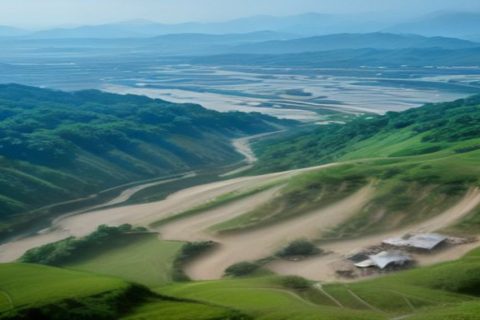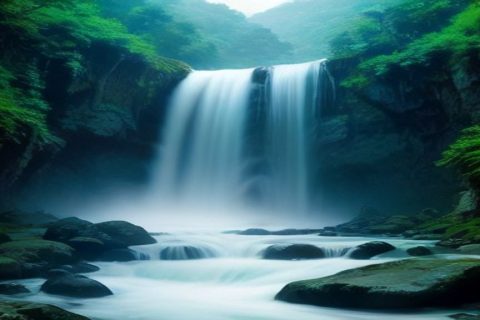


Nafakhum Waterfall sits deep inside the Remakri Reserve in Thanchi upazila of Bandarban district. It is one of the largest waterfalls in Bangladesh by volume of water, though it is not the tallest. Getting there is not easy, but the journey is part of the experience. You need time, patience, and a willingness to travel rough roads and steep trails.
The nearest town is Thanchi, which is about 48 kilometres south of Bandarban Sadar. The waterfall itself is another 20 kilometres or so beyond Thanchi, mostly on foot or by small boat. Most visitors start from Bandarban town, which is around 77 kilometres from Chattogram and about 340 kilometres from Dhaka.
Key Takeaways
- Nafakhum is a remote waterfall in Bandarban’s Remakri Reserve, requiring a multi-stage journey from Bandarban town through Thanchi.
- Travel combines bus or jeep, then walking and sometimes a boat ride; permits are mandatory and can be arranged in Bandarban.
- The best time to visit is during the dry season from November to March when the Sangu River is low enough to walk along the riverbed.
Getting to Bandarban Town
From Dhaka, you can take a direct bus to Bandarban. Several companies operate overnight and daytime services. The trip takes around 8 to 10 hours depending on traffic and road conditions. Buses typically drop you at the main bus stand in Bandarban town. From Chattogram, local buses and private cars are available; the journey takes about 3 hours.
If you prefer the train, the nearest railhead is in Chattogram. From there you can take a bus or hire a jeep to Bandarban. The road from Chattogram to Bandarban winds through the hills and is generally in good condition, but it can be slow due to curves and occasional landslides during the monsoon.
Bandarban to Thanchi: The First Leg
From Bandarban town, you need to reach Thanchi. Public buses and shared jeeps leave from the main stand near the town centre. The journey covers about 48 kilometres and takes roughly 2 to 3 hours. The road is paved but narrow, with sharp bends and steep climbs. It can be bumpy in places.
You can also hire a private jeep for the whole trip, which gives you more flexibility. Many travellers opt for a shared jeep to save money. The fare for a shared jeep is around 200 to 300 taka per person. A private jeep costs more, usually 2,500 to 3,500 taka, but it can carry up to five passengers.
Once you reach Thanchi, you need to register with the local army camp and obtain a permit to proceed further. The permit is issued by the army and the local administration. You will need your passport or national ID card and two passport-sized photographs. The permit is free but is mandatory. The army camp is near the bazaar, and the process usually takes less than an hour.
Thanchi to Nafakhum: The Final Trek
From Thanchi, there are two ways to reach Nafakhum. The first is to walk along the Sangu River. The trail is about 20 kilometres and takes 5 to 7 hours depending on your pace. The path is mostly flat but can be rocky and slippery. You will need to cross small streams and sometimes wade through shallow water. It is not a difficult walk, but it is long and can be tiring in the heat.
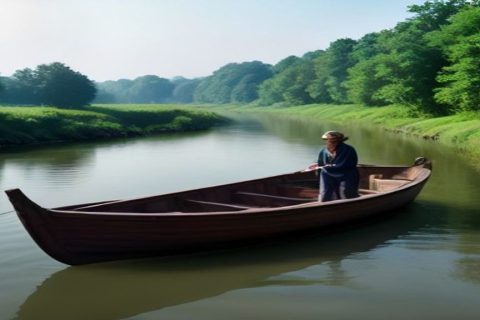
The second option is to take a local boat from Thanchi to a point closer to the waterfall. Boats operate when the river is high enough, usually from June to September. The boat ride takes about 1.5 to 2 hours and costs around 1,500 to 2,000 taka for the whole boat, which can seat 4 to 6 people. From the boat drop-off point, it is a 30-minute walk to the waterfall.
During the dry season, from November to March, the river level drops, and boat travel becomes impossible. Walking along the riverbed is the only option. The riverbed is dry and sandy in many places, making it easier to walk. However, you should still wear sturdy shoes as there are rocks and uneven ground.
The waterfall itself is a spectacular sight. The Sangu River narrows and drops about 20 feet into a deep pool. The spray creates a mist that can soak you from a distance. There is a small area near the base where you can rest and take photos. Swimming is possible but be cautious as the current can be strong, and the water is cold.
Accommodation in Thanchi is basic. There are a few guesthouses and a rest house run by the local administration. Rooms are simple with basic amenities. You can also stay in Bandarban town, which has more options, but that means a long day trip to Nafakhum and back, which is not recommended.
Food options are limited. In Thanchi, small eateries serve rice, dal, and vegetables. You can also buy snacks and bottled water in the bazaar. It is wise to carry your own water and some high-energy snacks for the trek.
Mobile network coverage is patchy. There is some signal in Thanchi, but it disappears as you go deeper into the forest. Inform someone of your plans before you leave.
The best time to visit is from November to March. The weather is dry and cool, and the river is low, making the walk easier. Avoid the monsoon from June to September when heavy rain can cause landslides and the river becomes dangerous. The waterfall is more powerful then, but the risk is higher.
Permits and safety rules are enforced. The army may check your permit along the route. Always carry your original ID. Respect the local customs and the forest rules. Do not litter, and do not disturb wildlife.
Returning is the same route in reverse. Plan to leave Thanchi early in the morning to catch a bus or jeep back to Bandarban. The last buses leave Thanchi around 4 pm, so you need to be at the stand by then. If you are walking back from Nafakhum, start early, around 6 am, to make it back in time.
If you are not used to long walks or rough terrain, this trip may not be for you. But if you enjoy remote places and are willing to put in the effort, Nafakhum is a rewarding destination. The journey itself is an adventure, and the waterfall is a fitting reward.
Comparison of Transport Options
| Section | Mode | Time | Cost (approx.) | Notes |
|---|---|---|---|---|
| Dhaka to Bandarban | Bus | 8-10 hrs | 800-1,500 taka | Overnight and day services available |
| Chattogram to Bandarban | Bus/Jeep | 3 hrs | 300-500 taka | Road is hilly and winding |
| Bandarban to Thanchi | Shared jeep | 2-3 hrs | 200-300 taka per person | Leaves from main bus stand |
| Thanchi to Nafakhum | Walk | 5-7 hrs | Free | Dry season only; follow riverbed |
| Thanchi to Nafakhum | Boat + walk | 2-3 hrs | 1,500-2,000 taka per boat | Monsoon only; boat to drop-off point |
Before you go, confirm the latest permit requirements and transport schedules with the Bandarban district administration or the army camp in Thanchi. Conditions can change with weather and local regulations.
Frequently Asked Questions
Do I need a permit to visit Nafakhum Waterfall?
Yes, you need a permit. It is issued at the army camp in Thanchi. You must bring your passport or national ID and two passport-sized photos. The permit is free but mandatory. You may be asked to show it at checkpoints.
What is the best time of year to visit Nafakhum?
The dry season, from November to March, is the best time. The river is low, the trail is easier, and the weather is pleasant. During the monsoon, the waterfall is more powerful, but the risk of landslides and strong currents is high, and the boat ride may be the only option, which is also risky.
How long does it take to walk from Thanchi to Nafakhum?
The walk is about 20 kilometres and takes 5 to 7 hours depending on your pace and how often you stop. It is mostly flat but can be rocky and slippery. Start early in the morning to avoid the heat and to have enough time to return the same day.
Is there accommodation near Nafakhum?
There is no accommodation at the waterfall itself. You can stay in Thanchi, which has basic guesthouses and a rest house. Bandarban town has more options, but it is too far for a day trip. Most visitors stay in Thanchi and make a day trip to Nafakhum.
What should I carry for the trek?
Carry at least 2 litres of water, high-energy snacks, a first-aid kit, a rain cover for your backpack, and sturdy shoes with good grip. A walking stick can help on rocky sections. Also, carry your permit and ID. There are no shops along the trail, so pack everything you need.