

You’ve seen the photos of tigers and mangroves, but the real question is how to get there and what it actually costs. The Sundarbans is not a place you can visit on a whim. It’s a protected forest, entry is controlled, and the only practical way to see it is by boat. This guide covers the real expenses, the booking process, and what to expect on the water.
Key Takeaways
- A basic 2-night, 3-day boat trip from Mongla or Khulna costs between 15,000 and 30,000 BDT per person, depending on boat type and group size.
- You must book through a registered tour operator or the Bangladesh Tourism Board; independent travel is not allowed inside the forest.
- Permits, guide fees, and forest taxes are included in most package prices, but check what’s covered before you pay.
The Sundarbans sits in the southwest corner of Bangladesh, spread across the Khulna, Satkhira, and Bagerhat districts. The two main entry points are Mongla and Khulna. Most tours start from either. If you’re coming from Dhaka, you can take a bus or train to Khulna, then drive to Mongla. The drive from Khulna to Mongla takes about 1.5 hours. From Dhaka to Khulna, a bus takes around 6 to 7 hours, and the train takes about 8 hours. There are also direct buses to Mongla from Dhaka, but they’re less frequent.
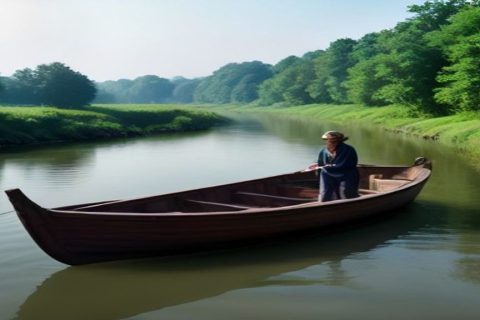
Once you arrive at the jetty, you’ll board your boat. These aren’t luxury cruisers. They’re traditional wooden vessels, some with basic cabins, others with open decks. The boat is your home for the next few days. You sleep, eat, and travel on it. There’s no jumping on and off. The boat moves slowly through the narrow channels, stopping at designated points for forest walks and watchtower visits.
What the Costs Really Look Like
Prices vary widely based on the boat, the season, and how many people are in your group. A basic boat with simple sleeping quarters and meals might cost around 15,000 to 20,000 BDT per person for a 2-night, 3-day trip. A more comfortable boat with air conditioning in the cabins can cost 25,000 to 35,000 BDT per person. If you’re traveling alone, you’ll pay a single supplement, which can be significant. It’s cheaper to join a group or share a boat.
Here’s a rough breakdown of what’s included in most package prices:
- Boat rental and fuel
- All meals on board (usually local fish, rice, dal, and vegetables)
- Forest entry permits and guide fees
- Security guard services (mandatory)
- Watchtower entrance fees
What’s not included: drinks, snacks, tips, and any extra land transport. Some operators also charge extra for the mandatory forest guard, though most include it. Check your quote carefully.
How to Book Your Sundarbans Trip
You cannot just show up at the jetty and hire a boat. The forest department requires that all visitors book through a registered tour operator or the Bangladesh Tourism Board. This is for safety and to control the number of visitors. The easiest way is to contact a few operators in Khulna or Mongla and compare quotes. You can find them online, or you can ask at your hotel in Khulna. Many hotels have contacts.
When you book, you’ll need to provide your passport details and pay a deposit. The operator will handle the permits and the forest guard. Make sure you get a written confirmation of what’s included. Also, ask about the boat’s safety equipment, like life jackets and first aid. It’s not a luxury cruise, but it should be seaworthy.
If you’re booking from Dhaka, some travel agencies offer packages. They’ll handle the train or bus tickets and the boat. This can be convenient, but you’ll pay a markup. It’s often cheaper to book directly with a Khulna-based operator.
When to Go and What to Expect
The best time to visit is from November to February, when the weather is dry and cool. From March to May, it’s hot and humid, and the forest is dry. The monsoon, from June to October, brings heavy rain and rough waters, and many operators stop running. The forest can also be closed during extreme weather.
On the boat, life is simple. You’ll wake up at dawn, have breakfast, and then set off for the day’s exploration. You’ll visit watchtowers like Hiron Point and Katka, where you can climb up and look out over the forest. You might see deer, monkeys, and if you’re lucky, a tiger. But tigers are rarely seen. The boat will anchor at night in a designated spot. There’s no electricity on most boats, so bring a power bank for your phone. Mobile network is patchy, so don’t rely on it.
You’ll need to bring your own toiletries, a towel, and any medication. The food is simple but plentiful. If you have dietary restrictions, let the operator know in advance. Also, dress modestly and wear comfortable, light clothing. Insect repellent is essential.
Safety and Rules Inside the Forest
The Sundarbans is a protected area, and rules are strict. You must stay with your guide at all times. You cannot leave the boat except at designated spots. You cannot feed or approach the wildlife. And you cannot litter. The forest guards are there to protect you and the animals, so respect their instructions.
There have been incidents with pirates in the past, but the area is now heavily patrolled. Still, it’s wise to travel with a reputable operator and not to attract attention with expensive gear. Also, be aware that the forest is home to tigers, and attacks have occurred. That’s why you stay on the boat or on the watchtowers. The risk is low, but it’s real.
For the latest updates on entry rules and safety, check with the Bangladesh Forest Department or the Bangladesh Tourism Board before you go. Conditions can change, especially after storms.
Frequently Asked Questions
Do I need a permit to visit the Sundarbans?
Yes, you need a permit issued by the Forest Department. Your tour operator will arrange this for you. You’ll need to provide your passport details and possibly a photo. The permit is included in your package price, but confirm this with your operator.
Can I visit the Sundarbans in one day?
Technically, day trips are possible, but they’re not recommended. The distances are long, and you’d spend most of the time on the boat. A minimum of 2 nights and 3 days is the standard to get a meaningful experience. Some operators offer 3-night, 4-day trips if you have more time.
What is the best time of year to visit?
The dry season, from November to February, is the best time. The weather is pleasant, and wildlife is easier to spot. Avoid the monsoon (June to October) when many operators suspend trips due to rough waters and heavy rain.
Are there ATMs or shops in the Sundarbans?
No, there are no ATMs or shops inside the forest. Bring all the cash you need for tips and any extras. The boat will have basic supplies, but you can’t buy anything if you forget it.
Is it safe to travel to the Sundarbans?
It’s generally safe if you follow the rules and stay with your guide. The main risks are wildlife and the remote nature of the area. Choose a reputable operator, listen to your guide, and you’ll minimize any danger. Always check the latest safety advice before you go.