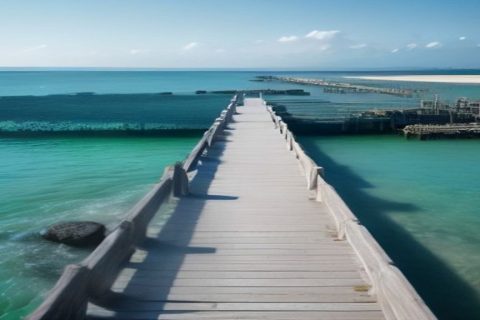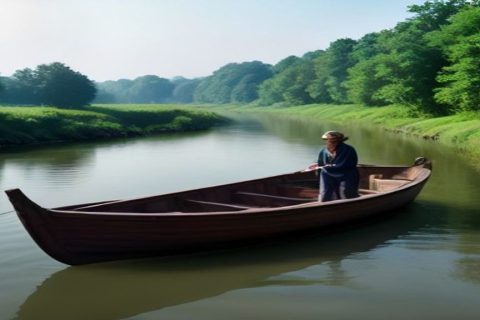


Maheshkhali is an island upazila off the coast of Cox’s Bazar, about 18 kilometres south of the district town. It is one of the few places in Bangladesh where you can see both a Buddhist temple and a mangrove forest in the same day. The island is less visited than the main beach town, which is part of its appeal.
Key Takeaways
- Maheshkhali is reached by a short boat ride from Cox’s Bazar, with regular ferries and local boats from the jetty near the town.
- Key sites include the Adinath Temple on the hill, the mangrove forest near the shore, and the salt fields that cover much of the island.
- Plan for a day trip or an overnight stay; basic guesthouses exist but advance booking is wise.
The journey starts at Cox’s Bazar. Head to the old jetty area near the mouth of the Bakkhali River. Public ferries leave roughly every hour from morning to late afternoon, though the schedule is loose. The crossing takes around 20 to 30 minutes depending on the tide. A return ticket costs around 30 to 40 taka per person. Private speedboats are also available for about 1,500 to 2,000 taka for the whole boat, which is worth it if you are in a group.
Once you land at the main ghat in Maheshkhali, you will find rickshaws and small three-wheelers waiting. The island is not large, but the roads are narrow and the sites are spread out. A full circuit by rickshaw or a hired CNG can take two to three hours. Agree on a fare before starting, and expect to pay around 300 to 500 taka for a half-day hire.
Adinath Temple and the Hill
The most striking landmark is Adinath Temple, perched on top of the island’s main hill. The temple is dedicated to Shiva and dates back centuries, though the current structure has been rebuilt over time. You climb a series of steps through dense vegetation, and from the top you get a wide view of the island, the sea, and the mainland. The climb takes about 15 to 20 minutes at a steady pace. There is no entry fee, but donations are accepted. Modest clothing is advised, and you must remove your shoes before entering the shrine.
Near the base of the hill, you will find a cluster of small shops selling snacks and water. It is a good spot to rest before moving on. The temple area is usually quiet, especially on weekdays. On the full moon day of the Bengali month of Falgun, a large fair is held here, and the hill becomes crowded with pilgrims and tourists alike.
Mangrove Forest and Salt Fields
On the western side of the island, facing the Bay of Bengal, there is a stretch of mangrove forest. It is not as famous as the Sundarbans, but it offers a quiet walk along the mudflats and a chance to see local birdlife. The best time to visit is early morning or late afternoon, when the light is soft and the heat is less intense. You may need a local guide to find the entrance, as there is no marked trail. Ask at the ghat or at a guesthouse for someone to show you the way. The forest is tidal, so check the tide times before heading out.
The island is also known for its salt production. Large salt fields cover the low-lying areas, and during the dry season, from November to April, you will see workers raking the salt into piles. It is a simple, working landscape, and you can watch the process from the roadside. If you are curious, a farmer will usually let you walk along the edges of the fields, but do not step on the salt pans themselves, as that can ruin a whole harvest.
Where to Stay and What to Eat
Most visitors come on a day trip, but if you want to stay, there are a few basic guesthouses near the ghat. They are not luxurious, but they are clean and cheap, with rooms starting around 800 to 1,200 taka per night. Book ahead if you are visiting during a holiday, as rooms fill quickly. There are also a couple of simple hotels in the bazaar area, but they are more geared to local traders.
For food, you will find small eateries serving rice, fish, and dal. The island is known for its fresh seafood, especially the small prawns that are caught in the surrounding waters. A meal at a local restaurant will cost around 100 to 150 taka. Do not expect any Western-style cafes; this is a working island, and the food is simple but filling.
Practical Details and Safety
The island has mobile network coverage, but it can be patchy in the more remote parts. Do not rely on internet for navigation; download an offline map or ask for directions. The climate is similar to Cox’s Bazar, with a hot and humid season from April to October, and a cooler, drier period from November to March. The best time to visit is during the dry months, when the roads are passable and the sea is calm. During the monsoon, from June to September, the ferry service can be irregular, and the island may be cut off for a day or two.
Safety is generally not a concern, but use common sense. Do not walk alone on the beach or in the forest after dark. Carry a small first-aid kit and plenty of water, as the island has few medical facilities. The nearest hospital is in Cox’s Bazar, so if you have a serious medical condition, it is safer to stay on the mainland.
To return, simply go back to the ghat and wait for the next ferry. The last boat usually leaves around 5 or 6 PM, but confirm the time with the boatmen when you arrive. If you miss it, you may have to hire a private boat at a higher price, or stay overnight.
For more information about planning your trip, check our guide on Bangladesh travel itineraries and the Cox’s Bazar travel guide.
Frequently Asked Questions
How do I get to Maheshkhali from Cox’s Bazar?
From Cox’s Bazar, go to the old jetty near the Bakkhali River. Public ferries leave regularly during the day, taking about 20 to 30 minutes. The fare is around 30 to 40 taka. Private speedboats are also available for faster, direct crossings.
What is the best time to visit Maheshkhali?
The dry season, from November to March, is the best time. The weather is cooler, the roads are dry, and the sea is calmer. Avoid the monsoon months if you have a tight schedule, as ferry services can be disrupted.
Are there any entry fees for the temple or the mangrove forest?
No, there are no official entry fees. However, you may be asked for a small donation at the temple, and hiring a local guide for the forest is recommended and will cost a small amount.
Can I stay overnight on the island?
Yes, there are a few basic guesthouses near the ghat. Rooms are cheap but basic, and it is wise to book in advance, especially around holidays. There are also a few simple hotels in the bazaar area.
Is Maheshkhali safe for solo travellers?
Yes, it is generally safe, but standard precautions apply. Avoid walking alone in remote areas after dark, carry water, and let someone know your plans. The island has limited medical facilities, so take care of your health.