

Gowainghat, a remote upazila in Sylhet district, sits near the Indian border and the Khasi and Jaintia hills. For travellers, it’s the launch point for the famous Ratargul Swamp Forest and the starting line for the longer journey to the tea gardens and hills of Sylhet. The nearest airport is Osmani International Airport in Sylhet city. From there, you can take a CNG or auto-rickshaw to the Gowainghat bus stand, which takes about an hour. Buses also run directly from Dhaka’s Sayedabad or Gabtoli to Gowainghat, taking roughly six to seven hours. The road is mostly good, but the final stretch into the upazila twists through villages and can get slow.
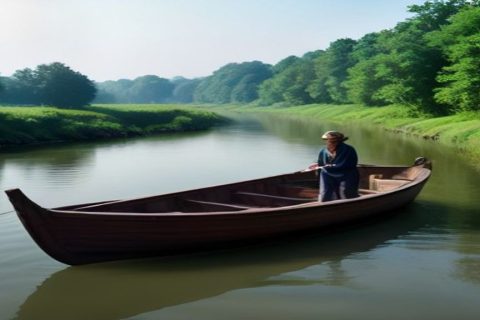
Once you’re in Gowainghat, the practical way to reach Ratargul is by boat. The swamp forest opens at 9:00 am and closes by sunset, and you’ll need to hire a wooden boat from the jetty. The ride takes about 30 to 40 minutes each way. During the monsoon, the water level rises and the forest is fully flooded, which is the best time to see the trees standing in water. In winter, the water drops, and some parts are harder to navigate. If you’re going during the dry season, check with the boatmen about access.
Accommodation in Gowainghat is limited. Most visitors stay in Sylhet city and do a day trip. A few basic guesthouses exist near the jetty, but they fill up fast and aren’t well advertised. If you want to stay closer, bring your own food and water, since restaurants are few and simple. Mobile network coverage is patchy, especially near the border, so download offline maps and let someone know your plans.
Safety is straightforward but worth noting. The border area is calm, but you should carry your passport or a copy of your national ID, as there are occasional checkpoints. It’s also wise to avoid travelling alone after dark on the rural roads. The local people are used to visitors, but English is not widely spoken, so a few phrases in Bengali help.
For the return trip, you can catch a bus back to Sylhet from the same stand. The last bus leaves around 6:00 pm, so plan your boat trip accordingly. If you miss it, you can hire a CNG for the hour-long ride, but agree on the fare first. The area is a genuine off-the-beaten-path destination, but it’s best visited with a clear plan and realistic expectations.
Key Takeaways
- Gowainghat is the gateway to Ratargul Swamp Forest and the best access point for the flooded forest experience during monsoon.
- Reach Gowainghat by bus from Dhaka or Sylhet, then hire a boat for the final leg to the swamp forest.
- Accommodation is scarce, so most travellers base themselves in Sylhet city and do a day trip.
Getting to Gowainghat by Road and Air
If you’re coming from Dhaka, the most direct option is a bus from Sayedabad or Gabtoli to Gowainghat. The journey takes six to seven hours, depending on traffic. Buses leave throughout the day, but the earliest ones are less crowded. You can also fly to Sylhet from Dhaka, which takes about 45 minutes, and then take a CNG or taxi from the airport to Gowainghat. The drive from Sylhet city to Gowainghat is about 40 kilometres and takes roughly an hour. The road is paved but narrow in places, and you’ll pass through small towns and tea gardens.
For those coming from other parts of Bangladesh, the train is an option. Trains run from Dhaka to Sylhet several times a day, and the journey takes about seven hours. From Sylhet railway station, you can take a CNG or auto-rickshaw to Gowainghat. The total travel time from Dhaka to Gowainghat by train and road is around eight to nine hours.
Boat Trips and Seasonal Access to Ratargul
The main reason most people visit Gowainghat is to see Ratargul Swamp Forest. The forest is located about 20 kilometres from the upazila headquarters, and the only way to enter is by boat. At the jetty, you’ll find a cooperative of boatmen who set fixed rates for a round trip. The ride takes about 30–40 minutes each way, and the boatman will wait while you explore. The forest is open year-round, but the experience changes dramatically with the seasons.
During the monsoon, from June to September, the water level rises and the forest becomes a true swamp. The trees stand in deep water, and you can glide through narrow channels under a canopy of green. This is the most popular time to visit, but the weather can be unpredictable, and heavy rain may make the journey difficult. In the dry season, from November to February, the water level drops, and parts of the forest are accessible by foot. The scenery is less dramatic, but you can see more wildlife, including monkeys and birds.
If you’re visiting during the monsoon, check the weather forecast before you go. The boatmen are experienced and know the safe routes, but it’s best to avoid going out during a storm. Also, be aware that the forest is a protected area, and there are rules about littering and disturbing wildlife. Respect the local environment and take your rubbish back with you.
Where to Stay and What to Know Before You Go
As mentioned, accommodation in Gowainghat is basic. There are a few guesthouses near the jetty, but they’re not well-marked and may not be bookable online. If you want a comfortable stay, base yourself in Sylhet city, where you’ll find a range of hotels from budget to mid-range. From Sylhet, you can easily arrange a day trip to Gowainghat and Ratargul. Many local tour operators offer packages that include transport and boat hire.
Food options in Gowainghat are limited. There are a few small eateries near the bus stand and the jetty, serving rice, dal, and fish. If you have dietary restrictions, it’s wise to bring your own snacks and water. Mobile network coverage is patchy, especially in the swamp forest area, so don’t rely on your phone for navigation. Download offline maps of the area beforehand.
When it comes to safety, the area is generally peaceful, but it’s always good to be cautious. Avoid travelling alone after dark, and keep your belongings secure. The border area is monitored, so carry a copy of your passport or national ID. It’s also a good idea to let someone know your itinerary, especially if you’re heading into the forest.
For more on exploring the region, check out our guide to Sylhet travel tips and Ratargul Swamp Forest for deeper insights.
Frequently Asked Questions
How do I get from Sylhet city to Gowainghat?
You can take a CNG or auto-rickshaw from Sylhet city to Gowainghat. The journey takes about an hour and costs around 500–700 BDT. Alternatively, you can take a local bus from Sylhet’s Kadamtali bus stand, which is cheaper but slower.
What is the best time to visit Ratargul Swamp Forest?
The best time is during the monsoon, from June to September, when the forest is fully flooded and you can boat through the trees. The water level is highest in July and August. However, always check the weather forecast, as heavy rain can disrupt travel.
Are there any permits required to visit Gowainghat or Ratargul?
No special permits are needed for Bangladeshi citizens. Foreign tourists may need to carry their passport, and there are occasional checkpoints near the border. It’s always a good idea to have a copy of your ID with you.
Can I stay overnight in Gowainghat?
Yes, there are a few basic guesthouses near the jetty, but they are not bookable online and have limited facilities. Most travellers prefer to stay in Sylhet city and do a day trip to Gowainghat.
What should I bring for a trip to Ratargul Swamp Forest?
Bring water, snacks, insect repellent, and a raincoat or umbrella if visiting during monsoon. Wear comfortable shoes that can get wet, and carry a waterproof bag for your electronics. Also, bring cash, as there are no ATMs near the forest.