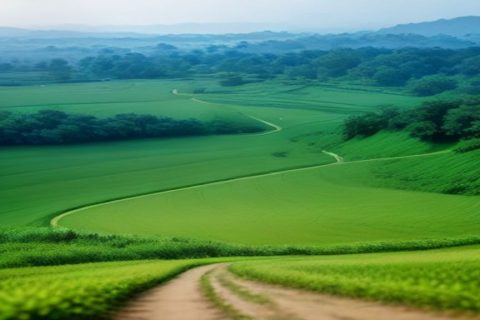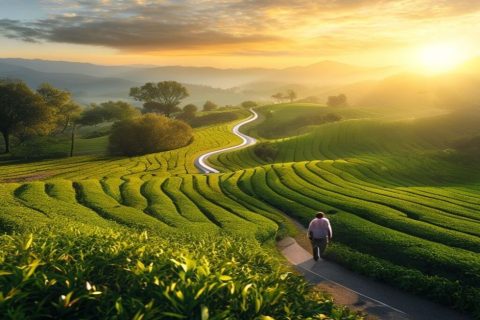


Malnichhara Tea Estate sits about 25 kilometres northeast of Sylhet city, close to the Indian border. It is one of the oldest tea gardens in Bangladesh, and unlike many other estates, it has a proper rest house that visitors can book for an overnight stay. The estate is known for its rolling green slopes, neat rows of tea bushes, and a small lake near the bungalow.
The most practical way to reach Malnichhara is to start from Sylhet city. You can hire a CNG or a car from the city centre. The drive takes about an hour, depending on traffic. The road passes through Jaintiapur upazila and then turns into a narrower lane that leads to the estate gate. If you are coming from Dhaka, take a direct bus to Sylhet first, then follow the same route from there.
There is no direct public bus that goes to Malnichhara. Most visitors use a hired CNG from Sylhet. The fare needs to be negotiated before you start. Make sure the driver knows the exact location, as some may not be familiar with the estate. You can also ask the driver to wait if you plan to return the same day, but that will cost extra.
If you prefer to stay overnight, the rest house inside the estate is the only option. It is managed by the tea estate authorities. You need to get permission in advance from the estate office in Sylhet or through the manager. The rest house has basic rooms with beds and a kitchen area. You may need to bring your own food or arrange meals with the caretaker. Confirm the booking and rules before you go.
The best time to visit is during the dry season, from November to February. The weather is cooler and the roads are in better condition. During the monsoon, the roads can get muddy, and the tea gardens are less accessible. Also, check the local holiday calendar, as the estate may be busier on weekends.
There is no entrance fee for the estate as of now, but that can change. Always confirm with the estate office before your visit. Mobile network coverage inside the estate is patchy, so do not rely on your phone for navigation or communication. Carry a printed map or ask for directions from locals.
What to See and Do at Malnichhara
Once inside, you can walk through the tea gardens along the narrow paths. The estate has a small lake near the bungalow, and the view from the hilltop is quite pleasant. There is also a small market nearby where you can buy local tea leaves. The estate workers are usually friendly, but respect their privacy and do not enter their quarters without permission.
For photography, early morning or late afternoon gives the best light. The rolling hills and the neat rows of tea bushes create a nice pattern. If you are interested in the tea-making process, you can ask the estate manager for a tour of the factory, but that depends on the season and their permission.
Where to Eat and Stay
There are no restaurants inside the estate. You need to bring your own food or eat in Sylhet before you come. The rest house has a kitchen, so you can cook simple meals if you bring ingredients. Alternatively, the caretaker may be able to arrange meals for a small fee, but that should be discussed in advance.
If you are not staying overnight, you can return to Sylhet for lunch or dinner. There are many good restaurants in the city, especially along Zindabazar and Bandar Bazar. For a local experience, try the Sylheti beef curry or the famous seven-layer tea at a nearby tea stall.
Safety and Practical Tips
The estate is close to the border, but there is no special permit needed for visitors. However, do not cross any fences or go near the border area. Always stay on the main paths. The local people are helpful, but they may not speak English, so it helps to know a few Bengali phrases or have a translator app.
Carry cash, as there are no ATMs inside the estate. The nearest ATM is in Jaintiapur or Sylhet. Also, carry drinking water and snacks, as there are no shops inside. Wear comfortable shoes for walking, and bring a hat or umbrella for sun or rain.
For return travel, you can hire a CNG from the estate gate. It is better to arrange the return with your driver before you go, or ask the caretaker to call a CNG for you. The road can be empty at times, so it is safer to have a ride planned.
Overall, Malnichhara is a peaceful place for a day trip or a quiet overnight stay. With a bit of planning, you can enjoy the tea gardens without any hassle.
Key Takeaways
- Malnichhara Tea Estate is about 25 km from Sylhet city, and the best way to get there is by hired CNG or car.
- Overnight stay is possible at the rest house, but you need permission from the estate office in advance.
- Bring your own food and water, and confirm the latest entry rules and road conditions before you go.
Pros and Cons of Visiting Malnichhara
| Pros | Cons |
|---|---|
| Peaceful and less crowded than other tea estates | No public transport; you need to hire a private vehicle |
| Rest house allows overnight stay | Limited food options; you must bring your own supplies |
| Beautiful scenery and photo opportunities | Mobile network is patchy |
| Relatively easy to reach from Sylhet | Road conditions can be poor during monsoon |
Frequently Asked Questions
Do I need a permit to visit Malnichhara Tea Estate?
No special permit is required for tourists. However, if you plan to stay overnight at the rest house, you need to get permission from the estate office in advance. Always confirm the current rules before your visit.
How much does it cost to hire a CNG from Sylhet to Malnichhara?
The fare varies depending on the season and your negotiation skills. As a rough guide, it can be between 800 and 1,500 BDT for a round trip with waiting time. Confirm the price with the driver before you start.
Is there any food available inside Malnichhara Tea Estate?
No, there are no restaurants or shops inside the estate. You must bring your own food and water. If you stay at the rest house, you can use the kitchen to cook simple meals, or arrange with the caretaker for a small fee.
What is the best time of year to visit Malnichhara?
The dry season from November to February is ideal. The weather is pleasant, and the roads are in better condition. Avoid the monsoon months (June to September) as the roads become muddy and the gardens are less accessible.
Can I visit Malnichhara as a day trip from Sylhet?
Yes, a day trip is possible. Hire a CNG or car from Sylhet in the morning, spend a few hours exploring the estate, and return by evening. Plan to leave early to have enough time for the drive and the walk.