

You want to see the Royal Bengal Tiger in its natural habitat, but the Sundarbans can feel like a complicated place to reach. The forest is huge, spread across the southwest corner of Bangladesh, and there are no roads through it. You need a boat, a permit, and a plan. Here’s how to put that plan together.
Key Takeaways
- The Sundarbans is accessible only by boat, with the main entry points being Mongla and Khulna.
- You must book a guided tour through a registered tour operator or the Bangladesh Tourism Corporation; independent travel is not allowed.
- The best time to visit is from November to February when the weather is dry and wildlife is easier to spot.
Getting to the Gateway: Khulna or Mongla
Most tours start from Khulna, the largest city near the forest. You can reach Khulna by bus, train, or plane. From Dhaka, buses leave from Gabtoli and Sayedabad terminals throughout the day. The journey takes about 8 to 10 hours, depending on traffic and road conditions. The train from Kamalapur station is another option; the Sundarbans Express and the Chitra Express run daily. If you’re short on time, Biman Bangladesh Airlines operates a short domestic flight from Dhaka to Jessore, which is about 2 hours by road from Khulna.
Mongla, a smaller port town, is closer to the forest. You can get there by bus from Khulna, but most tour operators pick you up from Khulna and drive you to the launch point. If you’re coming from the south, you can also take a launch from Dhaka’s Sadarghat to Mongla, but that trip takes over 20 hours and is only for the truly patient.
Booking a Tour and Getting Permits
You cannot wander into the Sundarbans on your own. The forest is protected, and you need a permit from the Divisional Forest Office in Khulna. Tour operators handle this for you, but you should book well in advance, especially during peak season. The Bangladesh Tourism Corporation runs standard tours, and there are several private operators with boats of varying comfort levels. Expect to pay anywhere from $100 to $300 per day, depending on the boat size, amenities, and group size. Your tour package usually includes permits, meals, and accommodation on the boat.
The permit itself costs around 500 taka for foreign visitors, but the process is complex. Your operator will manage it, but you’ll need to provide your passport details. There are also restrictions on which areas you can enter, and the forest guards check permits at checkpoints. Don’t try to skip this; it’s for your safety and the protection of the wildlife.
What to Expect on the Water
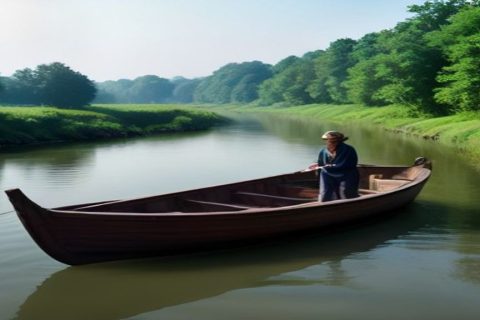
Your boat journey starts from either Mongla or Koromjol, which is about 2 hours from Khulna by road. The boats are wooden, with basic cabins and a small deck for viewing. You’ll spend most of your time on the water, navigating the narrow canals and wide rivers. The forest is dense, and the silence is broken only by the sound of birds and the splash of a crocodile sliding into the water.
Wildlife sightings are not guaranteed. Tigers are rarely seen, but you’ll spot deer, monkeys, and a variety of birds. The best times for viewing are early morning and late afternoon, when animals come to the water’s edge. Your guide will know the good spots, but remember that the animals are wild and unpredictable.
Accommodation is on the boat itself. Cabins are basic, with a mattress and a pillow. Toilets are usually simple, and there’s no hot water. Meals are cooked on board, typically rice, fish, and vegetables. You should bring your own water, as the boat’s supply may be limited. The mobile network is patchy, and you’ll be out of contact for most of the trip. That’s part of the experience.
One thing to note: the Sundarbans is a dangerous place. There are tigers, crocodiles, and snakes. Follow your guide’s instructions at all times. Don’t get off the boat, and don’t swim. Also, the weather can change quickly. The dry season, from November to February, is the safest and most comfortable time to visit. The monsoon, from June to October, brings heavy rain and strong currents, and many operators suspend tours.
To make your trip smoother, check the latest weather forecast and confirm your tour details with your operator a few days before departure. Also, consider getting travel insurance that covers adventure activities.
Comparison of Entry Points
| Entry Point | Pros | Cons |
|---|---|---|
| Khulna | More tour options, easier to reach, better facilities | Longer boat ride to the forest |
| Mongla | Closer to the forest, shorter boat ride | Less developed, fewer tour operators |
Frequently Asked Questions
Do I need a permit to visit the Sundarbans?
Yes, a permit is required for all visitors. Tour operators typically arrange it as part of your package. You’ll need to provide your passport details. The permit costs around 500 taka for foreign tourists, but the tour fee usually covers it.
What is the best time to visit the Sundarbans?
The dry season, from November to February, is the best time. The weather is pleasant, and wildlife is more likely to be seen near water sources. Avoid the monsoon (June to October) as heavy rain and strong currents make tours dangerous.
How much does a Sundarbans tour cost?
Tour costs vary widely depending on the operator, boat quality, and group size. Expect to pay between $100 and $300 per day per person. This usually includes permits, meals, and accommodation on the boat.
Can I visit the Sundarbans on my own?
No, independent travel is not allowed. You must go with a licensed tour operator or a registered guide. This is for your safety and to protect the forest’s fragile ecosystem.
What should I pack for a Sundarbans trip?
Pack light cotton clothes, a hat, sunscreen, insect repellent, and a good pair of binoculars. Bring your own water and snacks. A small first-aid kit is also useful. Remember, you’ll be on a boat with limited space.