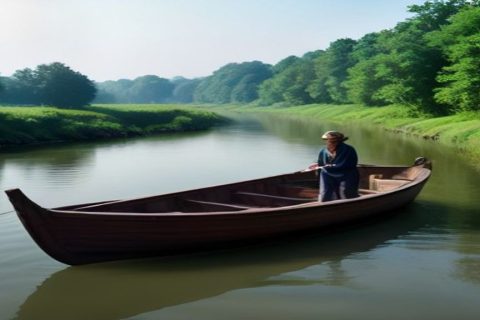


If you’re planning a trip to the Sundarbans, the world’s largest mangrove forest, you’ll likely start from Khulna. It’s the most practical gateway, with regular transport connections and tour operators that handle permits and boats. Here’s what you need to know to get there and move around.
Key Takeaways
- Khulna is the main starting point for Sundarbans tours, accessible by train, bus, or flight from Dhaka.
- You’ll need a permit from the Forest Department, usually arranged by a registered tour operator.
- The best time to visit is from November to February, when the weather is dry and wildlife is easier to spot.
The Sundarbans sits in the southwestern corner of Bangladesh, spreading across the Ganges delta. The nearest city with good connections is Khulna, about 40 kilometers north of the forest boundary. Most visitors arrive here first.
Getting to Khulna
From Dhaka, you have three main options. The Sundarban Express train leaves Kamalapur Railway Station in Dhaka and reaches Khulna in about 6 to 7 hours. Tickets cost around 500 to 1,000 taka depending on class. You can book online through the Bangladesh Railway website or at the station. Buses are another choice. Several companies, like Green Line and Shohagh, operate daily services from Dhaka’s Gabtoli or Sayedabad terminals. The journey takes about 7 to 8 hours, with fares between 600 and 1,200 taka. If you’re short on time, Biman Bangladesh Airlines flies from Dhaka to Jessore, about 75 kilometers from Khulna. The flight takes 45 minutes, and from Jessore you’ll need a taxi or bus for the remaining two hours.
Once in Khulna, you’ll need to arrange your Sundarbans trip. The forest is only accessible by boat, and you can’t just hire any vessel. You must go with a registered tour operator or rent a boat from the Forest Department’s designated points. Most travelers join a group tour, which includes a guide, meals, and accommodation on the boat. The cost varies, but expect to pay around 8,000 to 12,000 taka per person for a two-night, three-day trip. This usually covers the permit, boat, guide, and basic food.
Permits and Entry Points
You need a permit to enter the Sundarbans. The Forest Department issues these at the Divisional Forest Office in Khulna, or you can get one through your tour operator. The permit costs around 500 taka per person for a day visit, but if you stay overnight, it’s more, roughly 1,500 taka. The main entry points are Mongla, which is about 50 kilometers from Khulna, and Shyamnagar, further south. Most tours start from Mongla, where you board your boat. The boat journey into the forest takes about 2 to 3 hours from Mongla to the first watchtower.
Inside the forest, you’ll move by boat along the narrow rivers and canals. There are three watchtowers where you can get off and walk on elevated walkways: Hiron Point, Katka, and Kachikhali. These are the best spots for seeing wildlife, including the Royal Bengal Tiger, though sightings are rare. The boats are simple, with basic sleeping quarters and a small kitchen. You’ll sleep on the boat, and the crew cooks local food like rice, fish, and dal. It’s not luxury, but it’s comfortable enough for a few nights.
Seasonal Considerations and Safety
The best time to visit is from November to February. The weather is dry and cool, and the water levels are stable. From March to May, it gets hot and humid, with temperatures above 35°C. The monsoon, from June to October, brings heavy rain and rough rivers, and many operators suspend tours. If you visit during the monsoon, you risk getting stuck, so it’s best to avoid it.
Safety is a genuine concern. The Sundarbans is home to tigers, crocodiles, and snakes. Always follow your guide’s instructions. Don’t step off the boat except at designated areas, and never swim in the rivers. The forest is also prone to cyclones, so check the weather forecast before you go. Mobile network coverage is patchy inside the forest, so don’t rely on your phone for communication. Carry a power bank, and inform someone of your itinerary.
For food, you’ll eat on the boat, but you can also bring snacks. There are no restaurants or shops inside the forest. Water is provided, but it’s wise to bring your own bottled water. Clothing should be light and comfortable, but long sleeves and pants help protect against mosquitoes and sun. Wear sturdy shoes for the walks. A hat and insect repellent are essential.
Returning to Khulna is straightforward. Your tour operator will drop you back at Mongla, where you can catch a bus or taxi to Khulna. From there, you can take the train or bus back to Dhaka. If you need to fly, the Jessore airport is the closest, but you’ll have to plan your connections carefully.
Before you go, confirm the latest details. Boat schedules, permit fees, and tour prices change. Contact the Khulna Divisional Forest Office or your chosen operator a few days before. They can give you the most current information.
Comparing Tour Options
| Tour Type | Pros | Cons |
|---|---|---|
| Group Tour | Lower cost per person, includes guide and meals, social experience | Fixed itinerary, less flexibility |
| Private Tour | Flexible schedule, personalized attention, better for photographers | Higher cost, need to arrange everything yourself |
Frequently Asked Questions
Do I need a permit to visit the Sundarbans?
Yes, you must have a permit from the Forest Department. It’s usually arranged by your tour operator, but you can also get it yourself at the Divisional Forest Office in Khulna.
What is the best time to visit the Sundarbans?
The ideal time is from November to February. The weather is dry and cool, and wildlife is more active. Avoid the monsoon season from June to October.
Can I visit the Sundarbans in one day?
It’s possible but not recommended. You’ll spend most of the time traveling to and from the forest. A two-night, three-day trip is the minimum to experience the forest properly.
What should I pack for a Sundarbans trip?
Pack light, breathable clothing, long sleeves and pants, a hat, insect repellent, sunscreen, a power bank, and any personal medications. Also, bring bottled water and some snacks.