

You’ve probably seen the photos. A long, narrow bridge swinging over a deep green lake, surrounded by hills. That’s the Rangamati Hanging Bridge, also known as the Tabalchhari Bridge. It’s one of the most visited spots in the Chittagong Hill Tracts, and getting there is easier than you might think.
Key Takeaways
- The bridge is in Tabalchhari, about 18 kilometres from Rangamati town, and you need a local vehicle to reach it.
- You’ll need a permit to enter the Chittagong Hill Tracts, which you can get in Dhaka or at the DC office in Rangamati.
- The best time to visit is during the dry season, from November to March, when the weather is pleasant and the lake is calm.
Rangamati is the administrative headquarters of Rangamati Hill District, one of three districts that make up the Chittagong Hill Tracts in southeastern Bangladesh. The hanging bridge sits over the Kaptai Lake, the largest man-made lake in the country. It’s a steel suspension bridge, built in 2005, and it connects the Tabalchhari area to the main road.
Most travellers start from Dhaka. You have two main options: bus or train. The bus is the most direct. Several operators run overnight and daytime services from Dhaka’s Kolabagan or Sayedabad bus terminals to Rangamati. The journey takes around 7 to 8 hours, depending on traffic and road conditions. Fares range from 600 to 1,200 taka, depending on the bus class. You can book tickets online through operators like Shyamoli, S. Alam, or Green Line, or buy them at the terminal.
If you prefer the train, take a train from Dhaka’s Kamalapur station to Chittagong. The journey takes about 7 hours. From Chittagong, you need to take a bus or a CNG to Rangamati, which is another 2 to 3 hours. The train option is more scenic but requires a transfer. Check the Bangladesh Railway website or app for schedules and fares, as they change seasonally.
Once you reach Rangamati town, you’ll find it’s a bustling hill town with markets, hotels, and a lakefront. The hanging bridge is not within walking distance. You’ll need to hire a local vehicle. Options include a CNG (auto-rickshaw), a jeep, or a tempo (shared auto). CNGs are the most common for tourists. The ride takes about 30 to 40 minutes, covering roughly 18 kilometres. The road is mostly paved but narrow and winding in places. Negotiate the fare before starting; a one-way trip costs around 300 to 400 taka, but it can be higher if you want the driver to wait.
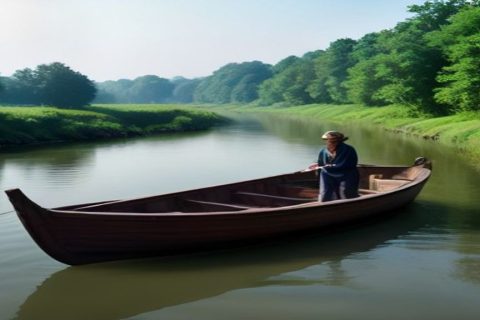
Alternatively, you can take a boat from Rangamati’s jetty across Kaptai Lake to Tabalchhari. This is a scenic option, taking about an hour, and you’ll see the lake and hills from the water. Boats are available for hire, but you’ll need to negotiate a price. The boat drops you at a ghat near the bridge, and from there it’s a short walk.
Before you go, you need a permit. The Chittagong Hill Tracts require a visitor permit for non-residents. You can get it from the Deputy Commissioner’s office in Dhaka or in Rangamati. The process involves filling out a form, providing a copy of your passport or national ID, and paying a small fee. It’s usually issued on the same day. You’ll need to show the permit at checkpoints along the way. The permit is free for Bangladeshi citizens, but foreigners must pay a fee. Check the current requirements with the DC office before you travel, as rules can change.
The bridge itself is a thrill to cross. It’s about 150 metres long and sways with your steps. The views of the lake and the surrounding hills are the main draw. There’s a small entrance fee, usually 10 to 20 taka. On weekends and holidays, it gets crowded, so go early in the morning to avoid the rush.
While you’re in the area, you can also visit the nearby Tabalchhari Eco Park, which is a short walk from the bridge. The park has walking trails and picnic spots. If you have time, consider staying overnight in Rangamati. There are several hotels and resorts, ranging from budget guesthouses to mid-range options. Many offer lake views. For a more immersive experience, you can stay in a floating resort on the lake, but those require advance booking.
Food in Rangamati is a mix of Bengali and indigenous cuisines. You’ll find restaurants in town serving rice, fish, and local vegetables. Near the bridge, there are small stalls selling snacks and drinks. It’s a good idea to carry your own water and snacks, especially if you plan to spend time at the park.
Mobile network coverage in Rangamati is generally good, but it can be spotty in the hill areas. You’ll likely have 4G in town, but don’t rely on it at the bridge. Carry cash, as many places don’t accept cards. ATMs are available in Rangamati town.
The best time to visit is during the dry season, from November to March. The weather is cooler and the lake is calm. During the monsoon, from June to September, heavy rain can cause landslides and road closures, making travel risky. If you visit during the monsoon, check the weather forecast and local news before setting out.
Safety is generally not a major concern in Rangamati, but you should be respectful of local customs and dress modestly, especially when visiting indigenous villages. The area is home to several ethnic groups, including the Chakma, Marma, and Tripura. Always ask permission before taking photos of people.
Returning to Dhaka follows the same route in reverse. If you’re taking the bus, book your return ticket in advance, especially on weekends. If you’re travelling by train, check the schedule for Chittagong and plan your connection.
One thing to keep in mind: the bridge is a popular spot, and the area around it can get littered. Do your part by carrying out what you carry in. The lake is the source of livelihood for many local people, so keep it clean.
For those planning a longer trip in the Chittagong Hill Tracts, you can combine a visit to Rangamati with nearby destinations like Kaptai Lake and Sajek Valley. Each has its own charm, but the hanging bridge remains a highlight.
In short, getting to the Rangamati Hanging Bridge is straightforward. It takes a bit of effort, but the reward is a unique experience that you won’t find elsewhere in Bangladesh.
How to Get a Permit for the Chittagong Hill Tracts
The permit is essential for travel to Rangamati, Khagrachari, and Bandarban. You can apply at the Deputy Commissioner’s office in Dhaka or in the respective district. The process is simple: fill out a form, provide a copy of your ID, and pay the fee. For Bangladeshi citizens, the permit is free. Foreigners pay a fee of around $20, but it can change. The permit is valid for a specific number of days, so plan your trip accordingly. It’s best to apply a few days in advance, especially during peak season. You can also get the permit on arrival in Rangamati, but it’s safer to do it in Dhaka to avoid delays.
What to Expect at the Bridge and Nearby
The bridge is a simple steel structure, but the experience is memorable. You’ll walk across, feeling the sway, and take in the panoramic views of the lake and hills. There’s a small fee to enter the bridge area. Near the bridge, you’ll find a few shops selling local handicrafts and snacks. The Tabalchhari Eco Park is a short walk away. The park has a small entrance fee and offers walking trails through the forest. It’s a good place to relax and have a picnic. If you’re interested in local culture, you can visit the nearby indigenous villages, but always ask for permission before entering.
When to Go and What to Pack
The dry season, from November to March, is the best time to visit. The weather is pleasant, and the lake is calm. Pack light, breathable clothing, and a light jacket for the evenings. If you’re visiting during the monsoon, bring a raincoat or umbrella and waterproof shoes. Comfortable walking shoes are a must, as the paths can be uneven. Don’t forget sunscreen, insect repellent, and a hat. If you plan to stay overnight, carry a small first-aid kit and any personal medications.
Frequently Asked Questions
Do I really need a permit to visit Rangamati?
Yes, all visitors, both Bangladeshi and foreign, need a permit to enter the Chittagong Hill Tracts, which includes Rangamati. You can get it from the Deputy Commissioner’s office in Dhaka or in Rangamati. The process takes a few minutes, and the permit is usually issued on the same day.
How long does it take to reach the hanging bridge from Rangamati town?
The bridge is about 18 kilometres from Rangamati town. By CNG or jeep, it takes around 30 to 40 minutes. By boat, it takes about an hour. The road is winding but in decent condition.
Is it safe to cross the hanging bridge?
Yes, the bridge is safe for crossing. It sways a bit, but it’s well-maintained. However, it can get crowded on weekends, so go early to avoid the rush. There are no railings on the sides, so be careful with children.
Can I visit the hanging bridge on a day trip from Dhaka?
It’s possible, but it would be a long day. The bus from Dhaka takes 7 to 8 hours each way, so you’d have about 4 to 5 hours in Rangamati. It’s better to stay overnight to enjoy the area without rushing.
What is the best time of day to visit the bridge?
Early morning is best. The light is good for photos, the crowds are smaller, and the weather is cooler. Late afternoon is also nice, but it can get busy. Avoid midday, especially in summer, as it gets hot.