

Getting to Muppochora Waterfall in Bilaichhari isn’t a quick day trip from Dhaka. It’s a multi-stage journey that takes you deep into the Chittagong Hill Tracts, a region with its own entry rules. You’ll need time, patience, and a permit before you even think about the trail.
Key Takeaways
- You need a special permit to enter Bilaichhari, which is in Rangamati district.
- The final stretch involves a boat ride and a trek through hilly terrain.
- Access is limited during the monsoon; the dry season (November to March) is the best time to go.
Permits and Entry Rules
Bilaichhari sits inside the Chittagong Hill Tracts, a restricted area. Bangladeshi citizens need a permit issued by the Deputy Commissioner’s office in Rangamati. Foreign tourists need additional clearance from the Ministry of Home Affairs in Dhaka. It’s best to arrange this through a registered tour operator, as they handle the paperwork. You’ll need photocopies of your passport (or NID for locals), passport-sized photos, and a short itinerary. The permit is free, but it can take a few days to process. Don’t attempt to enter without one – checkpoints are common along the route.
Getting to Bilaichhari
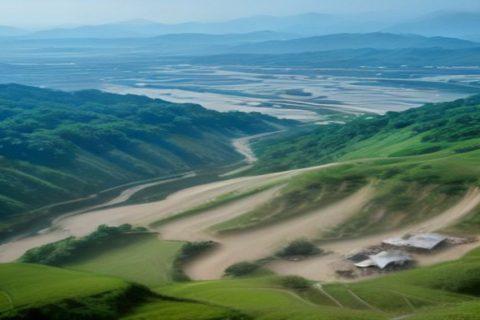
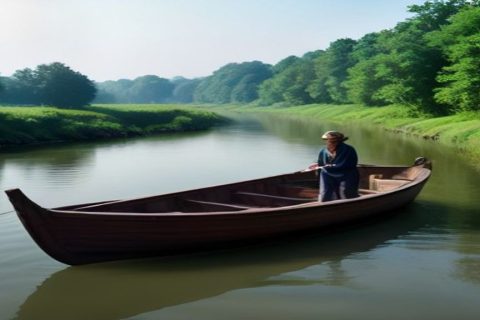
Your journey starts in Rangamati town, the district headquarters. From Dhaka, you can take a direct bus to Rangamati (around 7-8 hours) or take a train to Chattogram and then a bus or CNG to Rangamati. Once in Rangamati, you’ll need to go to the Bilaichhari Upazila complex. There’s no direct bus; you’ll likely hire a jeep or a CNG for the 50-kilometre ride to the upazila headquarters. The road is winding and often rough, especially after rain. The final leg from the upazila to the waterfall is the tricky part. You’ll first take a boat across the Kaptai Lake for about 30-45 minutes to reach the base village. From there, it’s a 2-3 hour trek through forest and hills to the waterfall. Local guides are essential – the trail isn’t marked and can be confusing.
When to Go and What to Expect
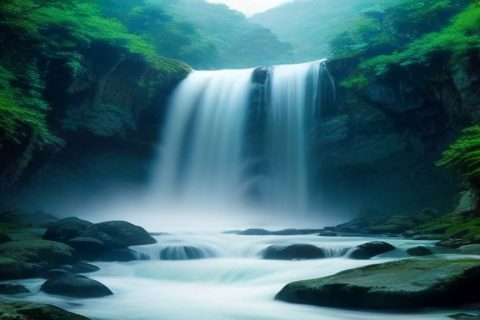
The dry season, from November to March, is the best window. The trail is drier and the waterfall is still flowing well. During the monsoon (June to October), the path gets slippery and the lake can be rough. The waterfall itself is a tiered cascade dropping about 30 metres into a clear pool. The surrounding forest is lush and quiet. There are no facilities at the site, so bring your own water and snacks. Mobile network coverage is patchy at best. You’ll need to carry cash, as there are no ATMs nearby. For accommodation, you can stay in a basic guesthouse in Bilaichhari upazila or back in Rangamati town. The trek is moderately challenging, so wear sturdy shoes and long pants to protect against leeches and thorns.
Return Travel
Plan your return the same way you came. Make sure you arrange your boat and guide for the return trip in advance. Check the lake conditions with your boatman before setting off. The last boat usually leaves before sunset, so start your trek back early. If you’re staying overnight in Bilaichhari, confirm your transport back to Rangamati the next day. The permit is valid for the area you’ve specified, so stick to your itinerary to avoid any issues.
Frequently Asked Questions
Do I need a permit to visit Muppochora Waterfall?
Yes, Bilaichhari is inside the Chittagong Hill Tracts restricted area. Bangladeshi citizens need a permit from the Deputy Commissioner’s office in Rangamati. Foreigners need prior approval from the Ministry of Home Affairs in Dhaka. It’s easiest to go through a registered tour operator.
How long does it take to reach the waterfall from Rangamati town?
From Rangamati town, expect about 2 hours by road to the upazila complex, then a 30-45 minute boat ride, followed by a 2-3 hour trek. Total time from Rangamati to the waterfall is roughly 5-6 hours one way.
Is it safe to travel to Bilaichhari?
The area is generally safe for tourists, but you should always travel with a local guide. Stick to the main trail and avoid going alone. Check with local authorities about any security advisories before you go.
What should I pack for the trip?
Wear breathable, long-sleeved clothing and sturdy trekking shoes. Bring insect repellent, a first-aid kit, a water bottle, snacks, and some cash. A rain cover for your backpack is useful even in the dry season.