

If you’re heading to the Chittagong Hill Tracts and want a base that’s quieter than Bandarban town, Mahalchhari is worth a look. It’s a small administrative town in Khagrachhari district, about 90 kilometres from Chittagong city. Most people pass through it on the way to Sajek Valley, but it has its own river, tribal villages, and a slow pace that suits travellers who don’t want crowds.
Getting to Mahalchhari starts with reaching Khagrachhari. From Dhaka, the most practical option is a direct bus from Kolabagan or Saidabad. Several companies run overnight services, and the journey usually takes seven to nine hours depending on traffic. The fare has been around 600 to 900 taka for a non-AC seat, but you should confirm with the operator before you book. The bus drops you at Khagrachhari town, and from there you take a local bus or a shared CNG for the remaining 20 kilometres. That stretch takes about 45 minutes and costs roughly 60 to 100 taka per person.
If you’re coming from Chittagong, the most direct route is by road. Buses leave from the city’s outer terminal, and the drive to Khagrachhari takes about four hours. You can also take a train from Chittagong to Nazirhat or Feni, but you’d still need to transfer to a bus or CNG, so it’s not simpler. For travellers already in Bandarban or Rangamati, a road trip through the hill tracts is possible, but the roads are winding and the journey takes a full day. You’ll need to check the latest route conditions before setting out, especially during the monsoon.
Mahalchhari itself is small. The main market area has a few basic hotels and guesthouses, mostly catering to domestic tourists heading to Sajek. Rooms are simple and cheap, often between 500 and 1,500 taka per night. There’s no luxury option, so don’t expect Wi-Fi or hot water. The local food is straightforward: rice, dal, and seasonal vegetables, plus some tribal dishes if you know where to look. Mobile networks work in the town area, though coverage can be patchy in the surrounding hills.
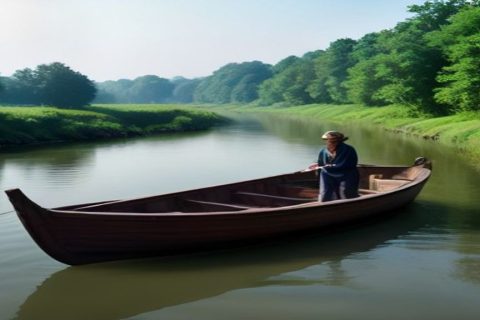
The town sits on the banks of the Mahalchhari River, which is a tributary of the Karnaphuli. You can walk along the riverbank in the evening, and there are a few spots where locals wash clothes and fish. The main attraction, though, is the surrounding countryside. The area is home to Marma, Tripura, and Chakma communities, and you can visit some villages if you go with a local guide. It’s polite to ask permission before taking photos, and you should respect local customs.
One important thing to know is that Mahalchhari is inside the Chittagong Hill Tracts. Foreign tourists need a permit from the relevant authorities before entering the region. Bangladeshi visitors don’t need a permit, but they may be asked for identification at checkpoints. The rules have changed over the years, so it’s wise to check with the local administration or your hotel before you travel.
The best time to visit is between November and March. The weather is dry and cool, and the hills are green. From April to June, it gets hot, and the monsoon from June to October brings heavy rain, which can cause landslides and road closures. If you’re planning to continue to Sajek, remember that the road from Khagrachhari to Sajek is steep and often rough. It takes about two hours by jeep, and you should hire a vehicle with a driver who knows the route. Confirm the current fare before you start, as prices change with the season.
For most travellers, Mahalchhari isn’t a destination on its own. It’s a practical stopover, a place to rest before heading deeper into the hills. But if you have an extra day, the quiet river and the village walks offer a genuine look at life in the Chittagong Hill Tracts without the crowds of the bigger towns.
Key Takeaways
- Mahalchhari is a small town in Khagrachhari district, best reached by bus from Dhaka or Chittagong, then a local bus or CNG.
- Foreigners need a permit for the Chittagong Hill Tracts; Bangladeshis may need ID at checkpoints.
- The dry season from November to March is the best time to visit; avoid the monsoon when roads can be blocked.
Where to stay and what to expect
Accommodation in Mahalchhari is basic. A few guesthouses sit near the market, and they fill up fast on weekends when people go to Sajek. If you arrive late, you might struggle to find a room. Booking ahead is not always possible, but you can try calling the guesthouses directly. The rooms are clean enough, but you should bring your own toiletries and a sleeping bag liner if you’re fussy.
Food options are limited to small eateries serving rice and curry. In the morning, you can get paratha and egg. There’s no bakery or coffee shop, so adjust your expectations. The local market sells fresh fruit and snacks, and you can buy water bottles and biscuits for the road.
Getting around and moving on
Within Mahalchhari, walking is the easiest way to get around. The town is compact, and most places are within a 15-minute walk. For nearby villages, you’ll need a CNG or a local bus. These are easy to find in the morning, but they get scarce in the afternoon.
When you’re ready to leave, you can catch a bus back to Khagrachhari from the same stand where you arrived. If you’re heading to Sajek, you’ll need to hire a jeep from Khagrachhari or Mahalchhari. The journey is bumpy, so take motion sickness tablets if you’re prone to travel sickness.
Before you go, check the latest road conditions and transport schedules. The hill tracts can be unpredictable, and a landslide or a bandh can change your plans quickly. Local people are usually helpful, but it’s best to have a backup plan.
Frequently Asked Questions
Do I need a permit to visit Mahalchhari?
Yes, foreign tourists need a permit to enter the Chittagong Hill Tracts, which includes Khagrachhari district. You can get it from the Deputy Commissioner’s office in Dhaka, Chittagong, or Rangamati. Bangladeshi citizens don’t need a permit, but they should carry a national ID card.
What is the best way to reach Mahalchhari from Dhaka?
The most practical way is to take a direct bus from Dhaka to Khagrachhari. Several companies operate overnight services, and the journey takes about 8 hours. From Khagrachhari, take a local bus or CNG to Mahalchhari, which is about 20 kilometres away.
Are there any ATMs or banks in Mahalchhari?
There is a small branch of a state-owned bank in the town, but ATMs are not reliable. It’s safer to withdraw cash in Khagrachhari before you arrive. Most places in Mahalchhari don’t accept cards.
Is Mahalchhari safe for solo travellers?
Generally, yes. The area is peaceful, and locals are friendly. However, the hill tracts have had political tensions in the past, so it’s wise to check the current situation with your hotel or the local police before you travel. Avoid walking alone after dark.