

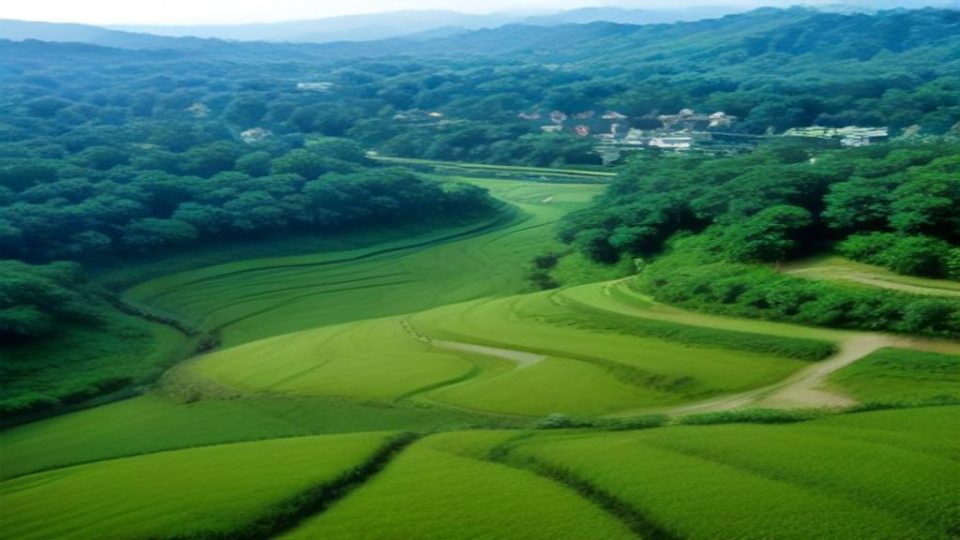
Sylhet is in the northeast corner of Bangladesh, close to the Indian state of Meghalaya. If you’re planning to go, the most practical way is to fly or take a train from Dhaka. The city itself is a base for tea gardens, wetlands, and hills, so most visitors spend a few days here before moving on.
From Dhaka, the quickest option is a flight. Biman Bangladesh Airlines and US-Bangla Airlines operate daily flights between Dhaka’s Hazrat Shahjalal International Airport and Sylhet’s Osmani International Airport. The flight takes about 45 minutes. Tickets cost more than the train or bus, but they save you a full day of travel.
If you’d rather stay on the ground, the intercity train is a solid choice. The Parabat Express leaves Dhaka’s Kamalapur Railway Station every morning and reaches Sylhet in about seven hours. Another option is the Joyontika Express, which runs in the afternoon. Both trains have AC and non-AC seats, and you can book tickets online through the Bangladesh Railway website or at the station. Trains sell out fast, especially on weekends, so book a few days ahead.
Buses are the budget option. Several companies like Hanif, Shyamoli, and Green Line run daily services from Dhaka’s Gabtoli and Sayedabad terminals. The journey takes around six to eight hours, depending on traffic and road conditions. Buses leave throughout the day, with night coaches being popular. Fares are lower than train tickets, but the ride can be bumpy, especially after rain.
Once you arrive in Sylhet city, rickshaws and auto-rickshaws (CNGs) are everywhere. Most hotels are in the Zindabazar area, which is close to the main bus stops and the railway station. From there, you can hire a CNG or a private car to reach the tea gardens, Ratargul Swamp Forest, or the hills of Jaflong. For longer trips, local buses leave from the Kadamtali bus stand.
If you’re heading to Srimangal, the tea capital, take a local train or bus from Sylhet. The train takes about two hours, and the bus is slightly faster. Srimangal is a good base for visiting Lawachara National Park and the tea estates.
Keep in mind that Sylhet gets heavy rain from June to September. The roads can flood, and some rural areas become hard to reach. The best time to visit is from November to February, when the weather is dry and cool. During the monsoon, the tea gardens are lush, but you’ll need to plan around rain delays.
For safety, stick to well-known transport operators and avoid traveling alone at night in remote areas. Mobile networks like Grameenphone and Robi work well in the city, but coverage drops in the hills and forests. Carry cash, as ATMs are common in the city but scarce in rural spots.
Returning to Dhaka is straightforward. Trains and buses run daily, and flights are available if you’re short on time. Book your return ticket in advance, especially during holidays.
Key Takeaways
- Fly, train, or bus from Dhaka to Sylhet; flights are fastest, trains are reliable, buses are cheapest.
- Use local transport like CNGs and local buses to reach tea gardens, Ratargul, and Jaflong.
- Visit between November and February for dry weather; confirm schedules before traveling during monsoon.
Getting Around Sylhet City
In the city, CNGs are the main way to get around. They’re three-wheeled, green, and cheap. A short ride within the city costs around 50 to 100 taka. Rickshaws are even cheaper but slower. For longer trips, like to the airport or the outskirts, negotiate a price before you get in.
If you’re going to Ratargul Swamp Forest, it’s about 25 kilometers from the city. You can take a CNG or a local bus to the village of Ratargul, then hire a rowboat to explore the swamp. The boat ride is the only way to see the forest, and it costs around 500 to 800 taka per boat. The best time is early morning, when the water is calm and the birds are active.
For Jaflong, on the border with India, you’ll need a private car or a CNG for the 60-kilometer trip. The road passes through tea gardens and hills, and it takes about two hours each way. At Jaflong, you can see the Dauki River and the nearby stone quarries. It’s a popular day trip, but the area can be crowded on weekends.
Where to Stay and Eat
Most budget and mid-range hotels are in the Zindabazar area. You’ll find everything from basic guesthouses to business hotels. Prices range from 1,000 to 3,000 taka per night. For a more upscale stay, check out the luxury hotels near the airport or the golf club.
Food in Sylhet is similar to the rest of Bangladesh, with rice and fish as staples. Try the local beef and mutton curries, which are spicier than in Dhaka. For a quick meal, look for small eateries serving biryani or kebab. You’ll also find tea stalls everywhere, serving sweet, milky tea.
If you’re heading to Srimangal, stay in a guesthouse or a tea bungalow. Some tea estates offer accommodation, which gives you a chance to stay inside the gardens. Srimangal is also known for its pineapple and honey, so pick some up before you leave.
Practical Tips for the Road
Book your train or bus tickets in advance, especially if you’re traveling on a Friday or during a holiday. The Bangladesh Railway website is reliable, and you can also buy tickets at the station. For buses, you can book online through the operators’ websites or through apps like Shohoz.
Carry a copy of your passport and visa, as some hotels require it. If you’re going to Jaflong or other border areas, you may encounter checkpoints. Keep your documents handy, but don’t worry, they’re routine.
Mobile data is good in the city, but in the hills and forests, it can be patchy. Download offline maps before you leave. Also, carry cash, as many small vendors don’t accept cards.
For more detailed guidance on planning your trip, check out our Bangladesh travel itineraries for suggested routes and day plans.
If you’re interested in other parts of the country, read about Dhaka day trips to see what else you can explore from the capital.
For a deeper look at the region’s tea culture, our tea gardens and rural destinations guide covers Srimangal and beyond.
| Transport | From Dhaka | Duration | Cost (approx.) |
|---|---|---|---|
| Flight | Shahjalal Airport | 45 min | 5,000-8,000 BDT |
| Train | Kamalapur Station | 7 hours | 500-1,200 BDT |
| Bus | Gabtoli/Sayedabad | 6-8 hours | 400-800 BDT |
Frequently Asked Questions
What is the best time to visit Sylhet?
The dry season from November to February is ideal. Temperatures are mild, and rain is rare. The monsoon (June-September) brings heavy rain, which can cause flooding and travel disruptions, but the landscape is lush.
How do I get from Sylhet to Srimangal?
You can take a local train from Sylhet to Srimangal. The journey takes about two hours. Buses also run frequently from the Kadamtali bus stand. Tickets are cheap and can be bought at the station.
Do I need a permit to visit Ratargul Swamp Forest?
No special permit is required. You just pay a small entry fee at the forest office. The forest is open year-round, but the best time is during the monsoon when the water level is high.
Is it safe to travel to Sylhet?
Yes, Sylhet is generally safe for travelers. Exercise normal precautions, especially in crowded areas. Avoid traveling alone at night in remote areas. Keep your belongings secure and stay aware of your surroundings.
What should I pack for a trip to Sylhet?
Light, breathable clothing for the day, a light jacket for cooler evenings, and comfortable shoes for walking. During the monsoon, pack a raincoat or umbrella and waterproof bags for electronics. Mosquito repellent is a must.