

Manikganj sits about 70 kilometres northwest of Dhaka, but the journey can feel longer than the distance suggests. It’s a district town that most people pass through on the way to the Padma River or the historic sites around it. If you’re planning a day trip from the capital, here’s how to actually get there and what to expect on the ground.
Key Takeaways
- Manikganj is a practical day trip from Dhaka, with regular bus services from Gabtoli and local transport within the district.
- The main attractions are the Padma River, the historic Baliati Zamindar Bari, and the rural riverine landscape.
- Transport options include direct buses, private cars, and local rickshaws or CNGs for getting around the town.
From Dhaka, head to Gabtoli Bus Stand. That’s the main hub for buses heading northwest. You’ll find both government and private buses going to Manikganj. The ride takes around two to three hours, depending on traffic. Buses leave regularly from early morning until evening. The fare is modest, but it changes, so ask at the counter before boarding.
If you prefer more comfort, you can hire a private car or a microbus for the day. The route is straightforward: take the Dhaka-Aricha Highway, which is part of the N5. The road is mostly in good condition, but sections near the town can be busy with local traffic. Expect a drive of about two hours without stops.
Once you arrive at Manikganj town, the bus stand is near the main market area. From there, you’ll need local transport to reach the specific sights. The Baliati Zamindar Bari, for instance, is about 10 kilometres from the town centre. CNGs (auto-rickshaws) and rickshaws are available, and you can also catch a local bus heading towards Baliati. Negotiate the fare before you get in.
Baliati Zamindar Bari and the Padma River
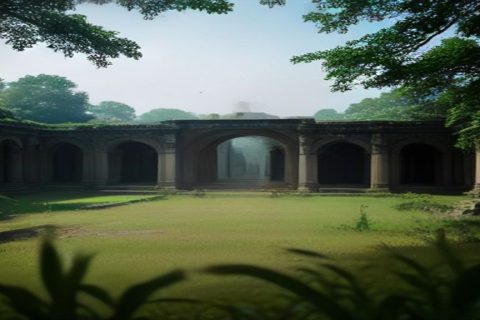
The Baliati Zamindar Bari is a cluster of old palaces built by the Baliati zamindars in the 19th century. It’s one of the main reasons people visit Manikganj. The complex has several buildings, courtyards, and a pond. It’s not as grand as some other zamindar houses in Bangladesh, but it’s a quiet spot with some architectural charm. Entry is free, but you should check if any restoration work is going on that might limit access.
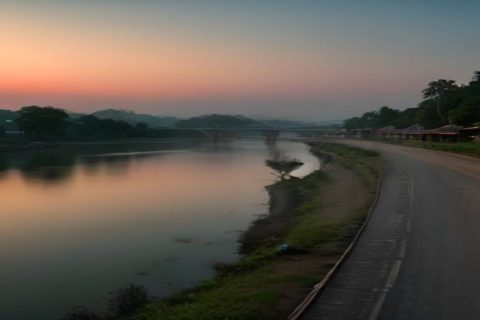
Not far from the palace, the Padma River flows. The river is wide here, and the banks are popular for picnics and boat rides. You can hire a local boat for a short trip on the river, but make sure the boat has life jackets and the weather is calm. During the monsoon, the river can be rough, so avoid boat trips then.
Another spot worth seeing is the Teota Zamindar Bari, which is in a village called Teota, about 20 kilometres from Manikganj town. It’s less visited than Baliati, but it has a similar historical feel. The road there is narrow and a bit rough, so allow extra time.
Practical Details for Your Visit
Manikganj is a day trip, so you don’t need to pack much. Wear light clothing in summer and a light jacket in winter. The best time to visit is between November and February, when the weather is dry and cool. Avoid the monsoon months, especially for river activities.
For food, you’ll find small eateries in the town and near the zamindar houses. The food is simple Bengali fare, like rice, dal, and fish. Don’t expect fancy restaurants. Carry your own water bottle, as safe drinking water may not be available everywhere.
Mobile network coverage is generally good in Manikganj, but you might lose signal in rural areas. If you’re using a navigation app, download the offline map beforehand, as data can be patchy.
Returning to Dhaka is straightforward. Buses leave from the same stand until late evening. If you’re driving, the highway is well-lit in parts, but night driving is not recommended due to local traffic and occasional roadworks.
One thing to keep in mind: on Fridays and public holidays, the town can be busier, and transport might be more crowded. Plan your return trip with a buffer.
Should You Stay Overnight?
Most people don’t stay overnight in Manikganj. There are a few basic hotels near the bus stand, but they are not tourist-grade. If you want to explore the area more deeply, you could base yourself in Dhaka and do a day trip. That’s the easier option for most travellers.
If you do decide to stay, book your hotel in advance. Check reviews and confirm the facilities. Some places may not have hot water or reliable electricity, so ask about that.
In the end, Manikganj is a no-frills destination. It gives you a glimpse of rural Bangladesh and some historical sites without the crowds. Just get your transport sorted, and you’ll have a smooth visit.
| Transport Option | Route | Approximate Time | Notes |
|---|---|---|---|
| Bus from Gabtoli | Dhaka to Manikganj | 2-3 hours | Regular departures, cheap fare |
| Private car or microbus | Dhaka-Aricha Highway (N5) | ~2 hours | More comfortable, negotiable hire |
| CNG or rickshaw | Manikganj town to Baliati | 20-30 minutes | Negotiate fare, local roads |
Frequently Asked Questions
What is the best way to get from Dhaka to Manikganj?
The most practical option is a bus from Gabtoli Bus Stand. Buses run frequently and take about two to three hours. You can also hire a private car or microbus for a more comfortable ride along the Dhaka-Aricha Highway.
Are there any entry fees for Baliati Zamindar Bari?
As of the latest information, entry is free. However, it’s a good idea to check locally if any fees have been introduced or if restoration work restricts access.
Is it safe to take a boat ride on the Padma River near Manikganj?
Boat rides can be safe in dry season with a licensed boatman and life jackets. Avoid the monsoon when the river is rough. Always confirm safety equipment and weather conditions before boarding.
What is the best time of year to visit Manikganj?
The ideal period is from November to February, when the weather is cool and dry. This makes sightseeing and river activities more pleasant. Avoid the hot summer months and the monsoon.
Can I visit Manikganj as a day trip from Dhaka?
Yes, it’s a common day trip. Start early, spend a few hours at the palaces and river, and return to Dhaka by evening. Buses run until late, but it’s safer to leave by early evening.