

Narsingdi is a district town just 50 kilometres northeast of Dhaka, but it feels a world away from the capital’s chaos. Most people who go there are heading to the industrial areas around the town, but the district has more to offer: old zamindar houses, river views, and a quieter pace. If you’re thinking of visiting, the first question is usually how to get there and what you’ll actually do once you arrive.
Key Takeaways
- Narsingdi is about 50 km from Dhaka, reachable by bus, train, or car in roughly 1.5 to 2.5 hours.
- The main attractions are the Panam-style Sonaimuri Zamindar Bari, the ancient Boro Sardar Bari, and the riverside areas along the Meghna and Shitalakshya.
- Public transport is frequent but not always comfortable; hiring a CNG or renting a car gives you more flexibility once you’re there.
Getting to Narsingdi from Dhaka
You have three main options: bus, train, or private car. The bus is the most common and cheapest. Buses leave from Sayedabad and Mohakhali in Dhaka throughout the day. The journey takes around 1.5 to 2 hours if traffic is light, but it can stretch to 3 hours during peak times. Fares are modest, usually between 80 and 150 taka depending on the bus type. Get off at Narsingdi town’s main bus stand, then take a rickshaw or CNG to your hotel.
Trains are a better bet if you want to avoid road congestion. Several intercity and mail trains stop at Narsingdi Junction, including the Upakul Express and the Dhaka–Chittagong mail trains. From Kamalapur station in Dhaka, the ride takes about 1.5 hours. Check the Bangladesh Railway website for current schedules and fares, as they change with the seasons.
If you’re in a hurry or travelling with a group, hiring a private car from Dhaka costs around 2,500 to 3,500 taka for the day. The drive is straightforward: take the Dhaka–Sylhet highway east, then turn off at the Narsingdi exit. The road is generally in good condition, but expect heavy traffic near the city’s outskirts.
What to See in Narsingdi
The district isn’t on the typical tourist trail, but that’s part of its appeal. Start with the Sonaimuri Zamindar Bari, a large 19th-century mansion about 10 kilometres south of town. It’s a fine example of colonial-era architecture, with ornate pillars and a crumbling grandeur. The caretaker will let you in for a small fee, and you can wander the empty rooms and courtyards. Go early in the morning to avoid the heat and the school groups.
Another landmark is the Boro Sardar Bari in the village of Panchdona, about 20 kilometres east. This is an ancient fortified house, said to be over 400 years old, with thick walls and a maze of narrow passages. It’s not well signposted, so you’ll need a local guide or a CNG driver who knows the way. The site is atmospheric but a bit rough around the edges; wear sturdy shoes.
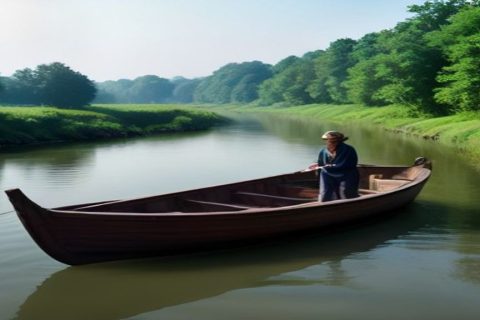
The rivers are a big part of life here. The Meghna and Shitalakshya flow through the district, and you can take a short boat ride from the ghats in Narsingdi town. It’s a peaceful way to see the countryside and the daily life of the river communities. Ask at the main ghat for a boatman who can take you on a one-hour trip; agree on a price before you board.
If you have time, visit the Narsingdi Museum, a small collection of local artefacts and historical items. It’s not a world-class museum, but it gives you a quick overview of the area’s past. The staff are friendly and happy to answer questions.
Where to Stay and Eat
Accommodation is basic. There are a few mid-range hotels near the bus stand, like the Hotel Al-Amin and the Hotel Shahjahan, with rooms starting around 800 taka. For something more comfortable, you might prefer to stay in Dhaka and make Narsingdi a day trip. If you do stay overnight, expect simple rooms with air conditioning in the better places and cold-water showers in the budget ones.
Food is local and hearty. Try the river fish, especially the ilish, which is a regional specialty. Small restaurants along the main road serve rice, dal, and fish curries for lunch. For a quick snack, look for the vendors selling pitha (rice cakes) and chotpoti in the evening. There are no upscale restaurants, so don’t expect a fancy dinner.
Mobile networks work well in the town, but coverage can be patchy in the rural areas. Bring cash, as ATMs are scarce outside the main bazaar. Dress modestly, especially if you’re visiting religious sites.
Safety wise, Narsingdi is generally safe for travellers, but keep an eye on your belongings in crowded areas. The main risk is traffic, not crime. Use the zebra crossings and be careful when crossing the roads.
For a day trip, you can see the main sights and still be back in Dhaka by evening. If you want a slower pace, spend a night and take a morning boat ride on the Meghna. Either way, Narsingdi offers a slice of Bangladeshi life that’s close to the capital but far from the tourist crowds.
Frequently Asked Questions
How far is Narsingdi from Dhaka?
Narsingdi is about 50 kilometres northeast of Dhaka. The journey by road takes 1.5 to 2.5 hours depending on traffic, while the train can get you there in around 1.5 hours.
What is the best way to travel to Narsingdi?
The bus is the most common and budget-friendly option, with frequent departures from Dhaka’s Sayedabad and Mohakhali terminals. Trains are faster and more comfortable, but you need to check the schedule in advance. Hiring a private car is the most convenient if you’re in a group.
Are there any historical sites in Narsingdi?
Yes, the Sonaimuri Zamindar Bari and the Boro Sardar Bari are the two main historical attractions. Both are examples of old Bengali architecture and offer a glimpse into the region’s past.
Is Narsingdi safe for tourists?
Narsingdi is generally safe, but like any town in Bangladesh, you should be cautious with your belongings and be careful when crossing roads. The local people are friendly and helpful.
What is the best time to visit Narsingdi?
The winter months from November to February are the most pleasant, with cooler temperatures and clear skies. Avoid the monsoon season (June to October) as heavy rains can disrupt travel plans.