
Manikchari sits in the southeastern corner of Khagrachari district, close to the Indian border. Most travellers reach it by road from Chittagong or Dhaka, but the route has a few twists that are worth knowing before you set off.
Key Takeaways
- Manikchari is accessible by road from Chittagong (about 3–4 hours) and Dhaka (8–10 hours), with the final leg via local transport.
- The nearest railway station is in Nazirhat, about 20 km away, for those combining train and road travel.
- Permits are not required for Bangladeshi citizens, but foreign visitors need a district commissioner’s permission to enter the Chittagong Hill Tracts.
Getting to Manikchari from Chittagong
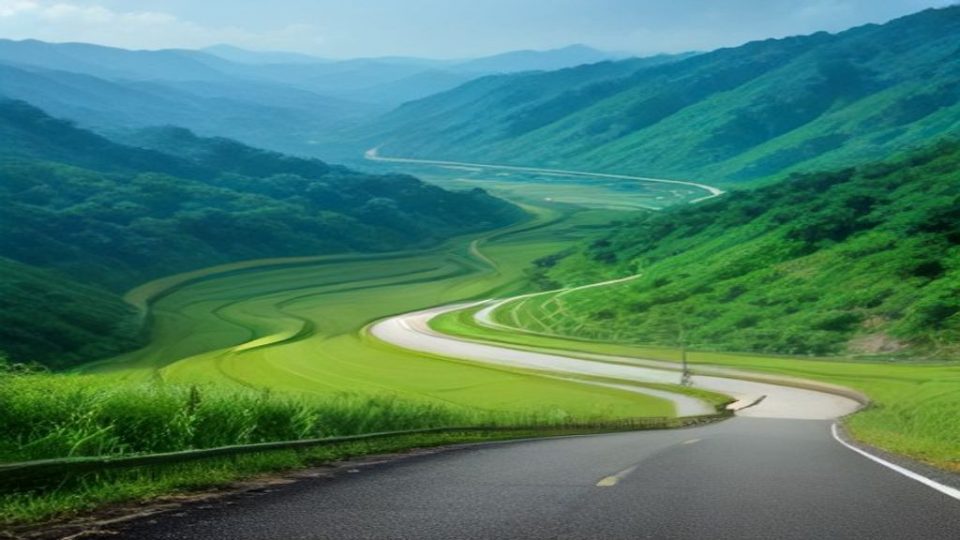
Chittagong is the main gateway. From the city, you take the Chittagong–Khagrachari highway, which runs north-east through Fatikchhari and Nazirhat. The road is two-lane and mostly paved, but it winds through low hills and tea gardens, so expect a journey of around 90 kilometres. Buses leave from the Oxygen area and the Kadamtali bus stand, and the trip takes roughly three to four hours. The fare changes with fuel prices, so check with the operators before you board.
You can also hire a private car or a CNG auto-rickshaw for more flexibility. If you drive yourself, be careful on the mountain curves, especially during the monsoon when the surface gets slippery.
Coming from Dhaka by Bus or Train
From Dhaka, the most direct option is a bus to Khagrachari town. Several companies, including Shyamoli and Saint Martin, operate daily services from the Gabtoli and Sayedabad terminals. The journey covers about 300 kilometres and takes eight to ten hours, depending on traffic and road conditions. Buses drop you at Khagrachari’s central bus stand, from where you catch a local bus or CNG for the remaining 20 kilometres to Manikchari.
If you prefer the train, take an intercity train from Kamalapur station to Nazirhat. The Dhaka–Nazirhat Express runs daily and takes around seven hours. From Nazirhat, shared auto-rickshaws and buses connect to Manikchari, about 20 kilometres away, which adds another hour. Train schedules change seasonally, so confirm times and fares with Bangladesh Railway before planning.
Local Transport and the Last Stretch
From Khagrachari town, you have two practical choices. A local bus to Manikchari leaves every half hour from the town’s main stand. The ride takes about 45 minutes and costs a modest fare. Alternatively, a CNG auto-rickshaw gives you a direct door-to-door trip for a higher price, and you can negotiate before starting.
Once in Manikchari, the bazaar area is walkable, but to reach surrounding villages or the border viewing points, you’ll need to hire another CNG or a motorbike taxi. Roads in the upazila are narrow and often unpaved, so allow extra time in the rainy season.
Permits, Safety, and Seasonal Notes
Manikchari lies inside the Chittagong Hill Tracts, a region with special entry rules. Bangladeshi citizens do not need a permit, but foreign nationals must obtain one from the Deputy Commissioner’s office in Khagrachari or Chittagong. The process takes a day or two, so factor that into your schedule. Always carry a photocopy of your passport and visa when travelling.
The best time to visit is between November and February, when the weather is dry and cool. From March to May, temperatures climb, and the monsoon from June to October brings heavy rain that can trigger landslides and disrupt road transport. Check the weather forecast and local news before you travel, and avoid night driving on the hilly roads.
Mobile coverage in Manikchari is patchy. Robi and Banglalink work in the town centre, but signals fade quickly in the valleys. Tell someone your route if you’re heading into remote areas.
Where to Stay and What to Eat
Manikchari is a small upazila, not a tourist hub. You’ll find a few basic guesthouses in the bazaar area, but many visitors stay in Khagrachari town, which has more options, from budget hotels to the government-run rest house. From Khagrachari, Manikchari is an easy day trip.
For food, the bazaar has simple eateries serving rice, dal, and seasonal vegetables. Hill-tract specialities like bamboo shoots and fermented fish appear on local menus, but don’t expect a wide range. Carry snacks and water, especially if you plan to explore beyond the town.
Return Travel
To head back, reverse the same routes. Buses to Chittagong and Dhaka leave from Khagrachari throughout the day, but the last departures are usually before sunset. If you’re catching a train from Nazirhat, confirm the schedule and leave Manikchari at least two hours early. During holidays and weekends, book your bus or train ticket in advance to avoid being stranded.
Manikchari vs. Khagrachari Town
| Manikchari | Khagrachari Town |
|---|---|
| Quieter, less developed | More guesthouses and restaurants |
| Close to the Indian border | Administrative hub with markets |
| Limited transport options | Better bus and CNG connections |
| Fewer tourist amenities | Easier to arrange permits and guides |
Manikchari isn’t a place you stumble upon. It’s a working town with a distinct border atmosphere, and the journey there is part of the experience. Plan your transport carefully, respect the permit rules, and you’ll find a side of Bangladesh that few visitors see.
Frequently Asked Questions
Do I need a permit to visit Manikchari?
Bangladeshi citizens do not need a permit. Foreign nationals require a permit from the Deputy Commissioner’s office in Khagrachari or Chittagong. Apply a few days in advance and carry your passport.
How far is Manikchari from Khagrachari town?
The distance is about 20 kilometres. Local buses take roughly 45 minutes, and a CNG auto-rickshaw can do it in 30–40 minutes depending on road conditions.
What is the best way to travel from Dhaka to Manikchari?
The most common route is a direct bus from Dhaka to Khagrachari (8–10 hours), then a local bus or CNG to Manikchari. Alternatively, take the train to Nazirhat and then road transport for the final 20 kilometres.
Are there hotels in Manikchari?
Manikchari has a few basic guesthouses. For more comfortable accommodation, stay in Khagrachari town and visit Manikchari as a day trip.
Is it safe to travel to Manikchari?
The area is generally safe, but the hilly roads can be risky in the monsoon. Avoid night travel, keep your permit with you, and check local news for any security advisories.