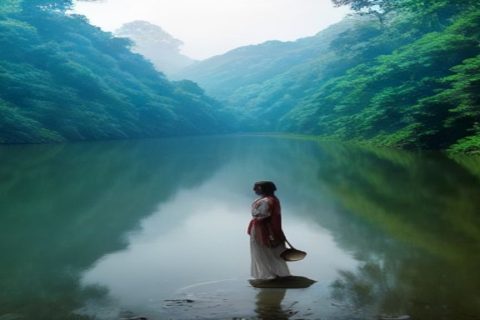


Bichanakandi is a natural sandstone gorge and crystal-clear water basin in Sylhet district, about 30 kilometers northeast of Sylhet city. Most travelers reach it from Sylhet city or from nearby Jaflong. The route is straightforward but requires a combination of road and boat transport.
Start from Sylhet City
Your journey begins at Sylhet’s Amberkhana or Kadamtali bus stand. From there, you can take a local bus or CNG to Guainghat Upazila. The distance is roughly 30 kilometers. The road is mostly paved but narrow in parts. Local buses run every 20–30 minutes from around 7 am to 6 pm. The trip takes about 1.5 hours and costs 40–60 BDT per person. A reserved CNG costs 600–800 BDT and takes about an hour.
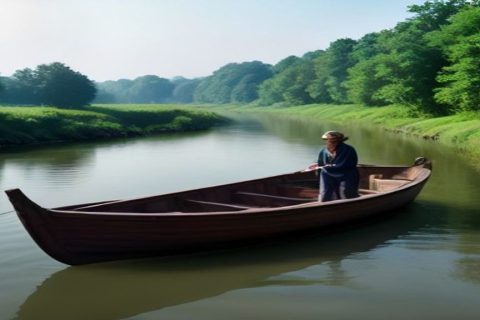
Get off at Guainghat bazaar, the main stop. From the bazaar, walk or take a rickshaw (10–20 BDT) to the Guainghat river ghat. At the ghat, you will find small wooden boats that ferry passengers across the Piyain River to Bichanakandi. The boat ride takes 10–15 minutes and costs 20–30 BDT per person. Boats operate from dawn until about 5 pm. The crossing is safe in dry weather, but during monsoon (June–September) the current can be strong. Ask the boatman to wait if you plan to return the same day.
Alternative Route via Jaflong
If you are already visiting Jaflong, you can reach Bichanakandi by boat along the Piyain River. From Jaflong ghat, hire a local boat for a round trip. The journey takes about 45 minutes each way. Negotiate the fare beforehand; expect to pay 500–800 BDT for a small boat holding 4–5 people. This route offers scenic views of the river and hills but is only possible during the dry season when the river is calm. Check with boatmen at Jaflong about current conditions.
What to Know Before You Go
Bichanakandi has no entry fee, but there is a small charge for using the ghat area. The site is most accessible from November to March when water levels are low and the sandstone formations are exposed. During monsoon, the water rises and the gorge can be submerged. Wear sandals or water shoes, as you will walk on wet rocks. There are no food stalls at the gorge itself, but Guainghat bazaar has basic eateries. Carry drinking water. Mobile network coverage is patchy; Grameenphone and Robi work in parts of the area. Return boats stop by 5 pm, so plan to leave Bichanakandi by 4:30 pm at the latest. For safety, avoid swimming in deep pools and do not climb on slippery rocks. If you are traveling alone, consider joining a group from Sylhet city.
Frequently Asked Questions
Do I need a permit to visit Bichanakandi?
No permit is required. Bichanakandi is a public area. However, during peak season, local authorities may restrict access if the site becomes too crowded. No special documentation is needed for Bangladeshi or foreign visitors.
What is the best time of year to visit Bichanakandi?
The best time is from November to early March. During these months, the water is clear and the sandstone formations are fully visible. Avoid the monsoon season (June–September) when the river swells and the gorge may be underwater.
Can I stay overnight near Bichanakandi?
Accommodation near Bichanakandi is limited. Guainghat bazaar has a few basic guesthouses with shared bathrooms. For better options, return to Sylhet city, which has hotels in all price ranges. Day trips from Sylhet are common and practical.
Is Bichanakandi safe for solo travelers?
Yes, but take precautions. Travel during daylight hours, keep valuables secure, and inform someone of your plans. The boat crossing and rocky terrain require care. Solo female travelers should consider joining a group or hiring a guide from Sylhet.
How much does it cost to visit Bichanakandi from Sylhet?
A budget trip from Sylhet costs around 200–400 BDT per person including bus fare and boat crossing. A reserved CNG round trip costs 1200–1600 BDT. No entry fee exists. Food and water are extra.