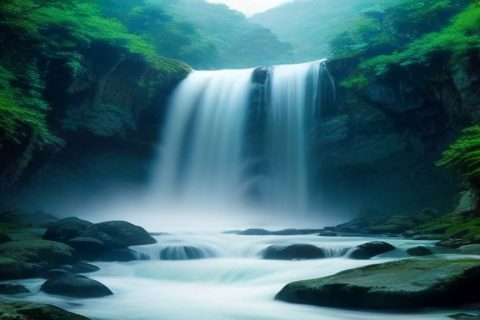


Nafakhum is one of the largest waterfalls in Bangladesh, located deep inside the Thanchi upazila of Bandarban district. It sits on the Remakri River near the Myanmar border. Getting there requires a combination of road travel, hiking, and boat rides. The journey is long and physically demanding, but the waterfall itself is worth the effort.
Start from Bandarban Town
Most travelers begin in Bandarban town. From Dhaka, take a night bus to Bandarban. Several operators run services from the capital; the journey takes about 8–9 hours. Buses drop you at Bandarban bus stand. From there, you need to arrange a jeep or shared pickup to Thanchi. The road is winding and rough, covering around 80 kilometers in 3–4 hours. Public jeeps leave from Bandarban’s Thanchi bus point, usually in the morning. Alternatively, you can hire a private jeep for more flexibility.
Thanchi to Remakri by Boat
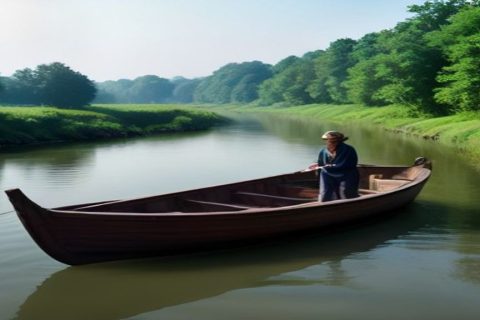
Once in Thanchi, you must register at the local police station and obtain a permit. Foreigners need additional permits from the Bandarban district administration. From Thanchi, the only way forward is by boat along the Sangu River. Local wooden boats with an outboard engine take about 2–3 hours to reach Remakri village. The ride is scenic but can be bumpy during dry season when water levels drop. Expect to pay around 2,000–3,000 BDT for the whole boat, depending on group size and negotiation.
Remakri to Nafakhum by Foot
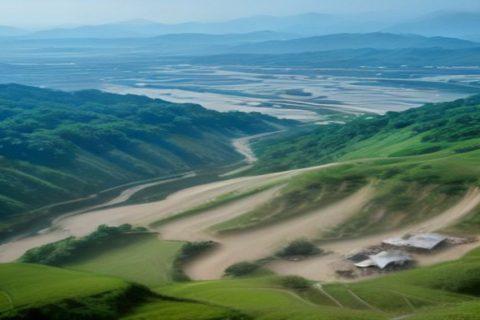
Remakri is the last inhabited village. From here, you hike through hilly jungle trails to the waterfall. The trek is about 6–7 kilometers one way and takes 2–3 hours. The path is steep in sections, with some rocky stretches. Wear sturdy shoes and carry plenty of water. A local guide is strongly recommended; you can hire one in Remakri for around 500–1,000 BDT per day. The guide will also help with navigation and safety. The waterfall appears suddenly after a final descent. The plunge pool is deep and cold. Swimming is possible but be cautious of strong currents.
Practical Tips for the Trip
The best time to visit is November to March when the weather is dry and water levels are moderate. During monsoon, the trail becomes slippery and boat travel may be suspended. There are no hotels at Nafakhum. You must stay in Thanchi or Remakri. Thanchi has a few basic guesthouses; Remakri offers homestays with minimal facilities. Carry your own sleeping bag and food supplies. Mobile network is available in Thanchi but weak or absent in Remakri and beyond. Carry cash as there are no ATMs. Return travel follows the same route in reverse. Plan at least three days for the round trip from Bandarban town. Permits must be arranged in advance for foreign nationals; contact the Bandarban district commissioner’s office for current requirements.
Frequently Asked Questions
Do I need a permit to visit Nafakhum Waterfall?
Yes, all visitors must register at the Thanchi police station. Foreign nationals need an additional permit from the Bandarban district administration. It’s best to apply a few days in advance through a local tour operator or directly at the DC office.
What is the best time of year to visit Nafakhum?
The ideal period is from November to March. During these months, the weather is dry, the trail is less muddy, and boat travel on the Sangu River is reliable. Avoid the monsoon season (June to October) when the river swells and the trail becomes hazardous.
How difficult is the trek to Nafakhum?
The trek from Remakri to Nafakhum is moderate to challenging. It covers about 6–7 kilometers of hilly terrain with steep ascents and descents. You should be reasonably fit and prepared for a 2–3 hour hike. A guide is recommended for safety and navigation.
Where can I stay near Nafakhum?
Accommodation options are limited. Thanchi has a few basic guesthouses. Remakri offers homestays with simple amenities. There are no hotels or lodges at the waterfall itself. Bring your own sleeping bag and be prepared for rustic conditions.
Is it safe to swim at Nafakhum Waterfall?
Swimming is possible in the plunge pool, but use caution. The water can be deep and currents may be strong, especially after rain. Always check with your guide before entering, and never swim alone.