

If you’re planning a day trip from Dhaka to Idrakpur Fort, the first thing to know is that it’s not a difficult journey, but it does require some planning. The fort sits on the bank of the Ichamati River in Munshiganj Sadar, about 30 kilometers south of Dhaka. Most visitors combine it with a visit to the nearby Bara Mosque or Lalbagh Fort, but Idrakpur Fort stands on its own as a piece of Mughal-era military architecture.
Key Takeaways
- Idrakpur Fort is in Munshiganj Sadar, about 30 km from Dhaka, and is reachable by road in roughly 1.5 to 2 hours.
- The most practical route is by bus or private car via the Dhaka-Mawa highway, followed by a short rickshaw ride from Munshiganj town.
- Visiting during the dry season (November to February) gives you the best conditions, as the fort’s surroundings are more accessible and the weather is pleasant.
Getting to Munshiganj from Dhaka
Your journey starts in Dhaka. The most common way is to take a bus from the capital to Munshiganj Sadar. Buses leave from several points, including Sayedabad and Jatrabari, which are on the southern edge of Dhaka. The trip takes about 1.5 to 2 hours, depending on traffic. You can also hire a private car or use a ride-sharing service like Uber or Pathao, but that will cost more. If you prefer the train, there is a rail connection from Dhaka to Munshiganj, but the train station is a few kilometers from the fort, so you’ll still need local transport.
Once you reach Munshiganj Sadar, the fort is not far. You can take a rickshaw or a CNG auto-rickshaw from the main bus stand or the town center. The ride takes about 10 to 15 minutes. The fort is located near the river, so if you ask locals for ‘Idrakpur Kella,’ they will point you in the right direction.
What to Expect at the Fort
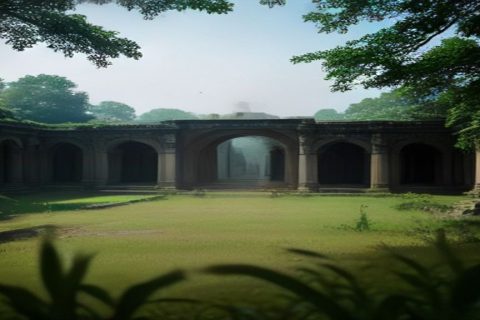
Idrakpur Fort was built in the 17th century by the Mughal general Mir Jumla. It was part of a chain of river forts that protected the waterways around Dhaka. The fort is a rectangular structure with thick walls and a central courtyard. It’s not huge, so you can explore it in under an hour. The fort is open to visitors, but there is no official ticket counter or guide. You can walk around freely, but be careful near the riverbank, especially during the monsoon when the water level rises.
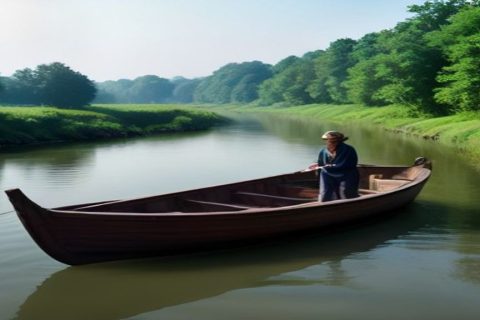
The fort’s location on the Ichamati River gives it a peaceful setting. You can see local boats and sometimes fishermen. It’s a good spot for photography, but there are no facilities like restrooms or food stalls inside. Bring water and snacks if you need them. There are a few small shops near the entrance where you can buy tea or biscuits.
One thing to note: the fort is not well-maintained, and there are no information boards. It’s a good idea to read up on its history before you go, or hire a local guide if you can find one. The fort is a protected site under the Department of Archaeology, but restoration work is limited.
Practical Tips for the Trip
The best time to visit is during the dry season, from November to February. The weather is cooler, and the river is calm. In the monsoon (June to October), the fort can be surrounded by water, and access might be difficult. Always check the weather forecast before you set out.
When it comes to transport, the bus is the most budget-friendly option. A one-way ticket from Dhaka to Munshiganj costs around 60 to 80 taka. A rickshaw ride from the town to the fort will be about 30 to 50 taka. If you hire a private car for the day, expect to pay around 3,000 to 4,000 taka, including waiting time.
If you’re planning to visit other sites in the area, like Sonakanda Fort or the Bara Mosque, you might want to consider hiring a CNG for the day. That could cost around 1,000 to 1,500 taka. But if you’re only going to Idrakpur Fort, a simple rickshaw ride is enough.
Mobile network coverage is good in Munshiganj, so you won’t have trouble staying connected. Just be aware that the fort area is quiet, and you might not find many English speakers. It’s helpful to know a few Bengali phrases or have a translation app handy.
Returning to Dhaka is straightforward. You can catch a bus from the same point where you were dropped off, or from the main bus stand. Buses run until late evening, but it’s safer to leave by 6 PM to avoid heavy traffic.
Before you go, remember to confirm the current bus schedule and any access restrictions. The Department of Archaeology occasionally closes the fort for maintenance. You can check with the local administration or look for recent news. A quick call to the Munshiganj District Commissioner’s office can save you a wasted trip.
Travel Options Compared
| Transport | Cost (Approx.) | Time | Pros | Cons |
|---|---|---|---|---|
| Bus | 60-80 BDT | 1.5-2 hours | Cheap, frequent departures | Can be crowded, no direct drop at fort |
| Private Car | 3,000-4,000 BDT | 1.5 hours | Comfortable, door-to-door | Expensive, parking may be limited |
| CNG Auto-rickshaw | 1,000-1,500 BDT (full day) | 1.5-2 hours | Flexible for multiple sites | Less comfortable, exposure to weather |
Frequently Asked Questions
Is Idrakpur Fort open to visitors every day?
Yes, the fort is generally open every day during daylight hours. There is no official ticket, but you should check with the local authorities for any temporary closures due to maintenance or special events.
Can I visit Idrakpur Fort by boat?
Yes, you can reach the fort by boat from the river, especially during the monsoon when the water level is high. However, the fort’s landing area is not well-defined, and it’s safer to approach by road.
Are there any food options near the fort?
There are small tea stalls and shops near the entrance selling snacks and drinks. For a proper meal, you’ll need to go to Munshiganj town, which has several restaurants.
How much time should I spend at Idrakpur Fort?
Most visitors spend 30 to 45 minutes exploring the fort. If you want to take photos and enjoy the riverside, plan for an hour or more.
Is it safe to travel to Munshiganj as a solo traveler?
Yes, Munshiganj is generally safe, but it’s always wise to be cautious. Keep your belongings secure, avoid traveling at night, and dress modestly to respect local customs.