

If you’re planning to visit Bikrampur Vihara in Raghurampur, you probably want to know the most practical way to get there. This archaeological site, which dates back to the 8th century, sits in Munshiganj district, just south of Dhaka. The journey is straightforward, but it requires a mix of road and river transport.
Key Takeaways
- Bikrampur Vihara is in Raghurampur village, Munshiganj, about 40 km from Dhaka.
- The most common route is a bus or car to Munshiganj town, then a rickshaw or CNG to the site.
- Access is year-round, but the dry season (November to March) offers the best conditions for exploring.
Start in Dhaka. You can take a bus from Sayedabad or Jatrabari to Munshiganj. Several local buses run this route daily, and the trip takes about 1.5 to 2 hours, depending on traffic. The fare is modest, but it’s best to confirm with the driver before boarding. Alternatively, you can hire a private car or CNG for more comfort, but that will cost more.
Once you reach Munshiganj town, the vihara is about 5 kilometers away in Raghurampur. You’ll find rickshaws and CNG auto-rickshaws ready to take you there. A CNG ride takes roughly 20 minutes and costs a few hundred taka. Make sure you agree on the fare upfront.
The site itself is open during daylight hours. There’s no formal ticket counter, but a caretaker may ask for a small donation. The ruins are spread over a large area, so wear comfortable shoes and bring water, especially in the hot months.
What to Expect at the Site
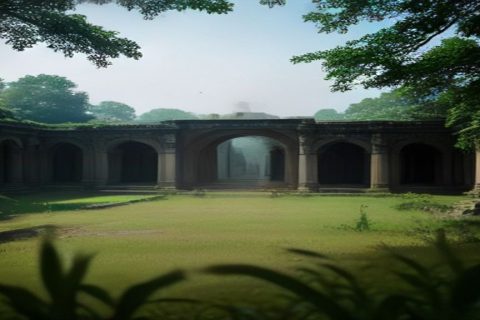
Bikrampur Vihara is an important Buddhist archaeological site. Excavations have revealed a monastery layout with cells around a central courtyard. The brickwork is impressive, and you can see remnants of stupas and other structures. It’s not a large complex, so you can explore it in an hour or two.
The site is relatively quiet, with few visitors. There are no facilities like restrooms or food stalls nearby, so plan accordingly. The nearest shops are in Munshiganj town, so it’s wise to carry snacks and water with you.
During the rainy season (June to October), the ground can be muddy and slippery. The dry season offers better conditions for walking and photography. The winter months (November to February) are pleasant, with cooler temperatures and clear skies.
Getting Back to Dhaka
Returning is just as easy. From the vihara, take a CNG back to Munshiganj town. There, you can catch a bus to Dhaka. Buses run until late evening, but it’s safer to leave by 5 PM to avoid heavy traffic and ensure availability. If you prefer a more comfortable ride, you can hire a private car for the return trip.
If you have extra time, consider visiting nearby attractions like the ruins of the old Bikrampur city or the banks of the Padma River. But if your focus is the vihara, a day trip is enough.
Before you go, check the latest transport schedules and fares, as they can change. The local bus operators and CNG drivers are your best sources for current information.
Pros and Cons of Visiting
| Pros | Cons |
|---|---|
| Rich historical significance | Limited facilities at the site |
| Off the beaten path, less crowded | Requires multiple transport modes |
| Affordable day trip from Dhaka | Access can be tricky during monsoon |
Frequently Asked Questions
Is Bikrampur Vihara open every day?
Yes, the site is generally open every day from sunrise to sunset. There’s no official closing day, but it’s best to visit during daylight hours for safety and visibility.
Do I need a permit to visit?
No permit is required. The site is open to the public, and there’s no entry fee. A caretaker might request a small voluntary donation, but it’s not mandatory.
What is the best time to visit?
The dry season from November to March is ideal. The weather is cooler, and the ground is dry. Avoid the monsoon months (June to October) when the site can become muddy and less accessible.
Are there any guided tours available?
There are no official guides at the site. However, you can hire a local guide in Munshiganj town who may accompany you for a fee. Alternatively, you can explore on your own with some prior research.
Can I combine a visit to Bikrampur Vihara with other nearby attractions?
Yes, you can. Nearby, you can visit the ruins of ancient Bikrampur, the Padma River banks, or even the Sonakanda Fort in Narayanganj. A day trip can cover several sites if you plan your time well.