

If you’re planning a trip to Austagram Haor, you’re probably wondering how to actually get there. This wetland area in Kishoreganj district draws visitors during the monsoon and early winter, but reaching it isn’t as straightforward as catching a direct bus. Here’s what you need to know before you set out.
Key Takeaways
- Austagram Haor is in Kishoreganj district, about 160 km from Dhaka, and the most practical route is by bus to Bhairab or Kishoreganj town, then local transport to Austagram upazila.
- Boat rides are essential for exploring the haor, and you can hire local boats at the ghats; prices vary, so agree beforehand.
- The best time to visit is from July to September when the haor is full, but access can be tricky; check local conditions before you go.
Getting to Austagram Haor from Dhaka
Start from Dhaka. Head to the Mohakhali or Sayedabad bus terminal. Several bus companies operate on the Dhaka-Kishoreganj route, and some go directly to Bhairab. The journey takes around 3 to 4 hours, depending on traffic. From Bhairab, you can take a local bus or a CNG autorickshaw to Austagram upazila. The distance is about 30 km, and it takes roughly an hour. If you go to Kishoreganj town first, it’s a bit longer, but you’ll have more transport options.
You can also take a train from Dhaka to Bhairab Bazar station. Trains like the Egarosindur Godhuli or the Kishoreganj Express run regularly. From the station, you’ll need to hire a CNG or a tempo to reach Austagram. Trains are usually more comfortable than buses, but they might not align perfectly with your schedule. Always check the current timetable with the Bangladesh Railway website or app.
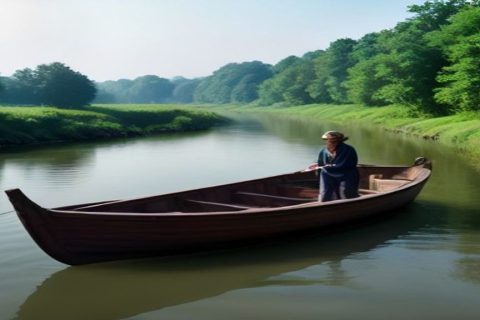
Once you’re in Austagram, the haor itself is spread out. The main ghat for boats is near the upazila headquarters. From there, you can hire a wooden boat or a trawler to take you into the wetland. Boats are the only way to truly experience the haor, and most locals are happy to take visitors out for a few hours.
Local Transport and Boat Hire in Austagram
Inside Austagram, CNGs and auto-rickshaws are the main modes of local transport. They can take you to different villages and ghats. Boat hire is informal. You’ll need to negotiate with the boatmen at the ghat. Prices vary depending on the distance and duration. A two-hour trip in a small boat might cost around 500 to 1000 taka, but it’s best to agree on a fare before you start. Make sure the boat has life jackets, especially if you’re travelling with children.
If you’re planning to stay overnight, there are a few basic guesthouses and hotels in Austagram bazaar. They’re simple, but clean. You won’t find luxury resorts here. For food, small restaurants in the bazaar serve rice, fish, and dal. During the monsoon, some areas might have limited supplies, so it’s wise to carry snacks and drinking water.
Seasonal Access and Safety in Austagram Haor
The haor looks completely different depending on the season. From July to September, the monsoon fills the wetlands, creating a vast sheet of water. This is the best time for boat rides. But heavy rain can make roads slippery and some rural paths impassable. Flooding can also affect transport, so always check the weather forecast and local news before you go.
In winter, from November to February, the water recedes, and the haor becomes a mosaic of small islands and crops. You can still take boats, but you’ll need to navigate through narrower channels. The weather is cooler and drier, which makes walking around easier. However, the scenery is less dramatic than during the monsoon.
For safety, always wear a life jacket on boats, avoid going out in rough weather, and listen to the advice of local boatmen. Mobile network coverage is decent in Austagram, but it can be patchy in the middle of the haor. Let someone know your plans if you’re heading out on a long boat trip.
Pros and Cons of Visiting Austagram Haor
| Pros | Cons |
|---|---|
| Peaceful, off-the-beaten-path destination | Limited accommodation and dining options |
| Stunning wetland scenery during monsoon | Access can be difficult during floods |
| Affordable local transport and boat rides | Few English speakers, so language barrier |
| Authentic rural Bangladesh experience | No ATMs or banks in Austagram bazaar |
Before you go, confirm the latest bus and train schedules with the operators. The Bangladesh Road Transport Authority (BRTA) and Bangladesh Railway have official websites. For boat hire, ask at your hotel or the local union parishad office for recommended boatmen. It’s always better to have a local contact.
Frequently Asked Questions
What is the best time to visit Austagram Haor?
The monsoon months from July to September are the best, as the haor is full of water and the scenery is at its most dramatic. However, be prepared for heavy rain and possible transport disruptions. Winter (November to February) offers a different experience with receding water and cooler weather, but the landscape is less spectacular.
How do I get from Dhaka to Austagram Haor?
You can take a bus from Mohakhali or Sayedabad to Bhairab or Kishoreganj, then a local bus or CNG to Austagram. Alternatively, take a train to Bhairab Bazar station and then a CNG. The total journey takes about 4 to 5 hours, depending on traffic and connections.
Are there any entry permits required to visit Austagram Haor?
No, you don’t need any permits to visit the haor. It’s a public wetland area. However, if you plan to go deep into the haor or stay overnight on an island, you should inform the local authorities or your guesthouse owner for safety reasons.
What should I pack for a trip to Austagram Haor?
Pack light, breathable clothing for the monsoon, and a light jacket for the cool winter mornings. Bring insect repellent, sunscreen, a hat, and waterproof bags for your electronics. Don’t forget a refillable water bottle, as you might not find safe drinking water everywhere.
Is it safe to travel to Austagram Haor as a solo traveller?
Yes, it’s generally safe, but it’s always wise to travel with a companion, especially when going on boat rides. The locals are friendly, but there are limited facilities, so you need to be self-sufficient. Let your accommodation know your plans and avoid going out after dark alone.