

You want to reach Panihata-Tarani Hills in Ramchandrakura, and you’re probably wondering about the practical side: where exactly it is, how to get there, and what to expect once you arrive. This guide covers the route from Dhaka, local transport options, and the essential details you need for a smooth trip.
Key Takeaways
- Panihata-Tarani Hills is located in Ramchandrakura, a village in the northeastern district of Moulvibazar, Sylhet division.
- The most practical route is a train or bus from Dhaka to Sreemangal, followed by a local bus or CNG to Ramchandrakura and a short walk to the hills.
- Access is easiest during the dry season (November to March); the area is less accessible during heavy monsoon rains.
Panihata-Tarani Hills sits in Ramchandrakura, a village under the Rajnagar upazila of Moulvibazar district, in the Sylhet region. It’s not a well-known tourist spot, so you’ll need to plan your transport carefully. The nearest large town is Sreemangal, about 20 kilometres away, and the closest railway station is Sreemangal railway station on the Dhaka–Chittagong line.
Your first step is getting to Sreemangal. From Dhaka, you have two main options: train or bus. The train is often more comfortable. Several intercity trains run daily from Dhaka’s Kamalapur railway station to Sreemangal, including the Parabat Express and the Jayantika Express. The journey takes around 4 to 5 hours. You can book tickets online through the Bangladesh Railway website or at the station. Ticket prices vary by class; an AC seat might cost around 500 to 700 BDT, while a non-AC seat is cheaper. Buses are another option. Several companies, such as Shyamoli, Ena, and Hanif, operate buses from Dhaka’s Sayedabad or Fakirapool bus terminals to Sreemangal. The ride takes about 5 to 6 hours, depending on traffic, and costs roughly 400 to 600 BDT.
Once you reach Sreemangal, you need to get to Ramchandrakura. Local buses leave from Sreemangal’s main bus stand (near the railway station) for Rajnagar and other nearby villages. Look for a bus heading to Rajnagar or Ramchandrakura; the journey is about 30 to 40 minutes and costs around 30 to 50 BDT. Alternatively, you can hire a CNG (auto-rickshaw) or a microbus for the 20-kilometre trip. A CNG will cost roughly 300 to 400 BDT, and a microbus might set you back 800 to 1,000 BDT, depending on negotiation and season. The road is mostly paved but narrow in places, and it passes through tea gardens and village markets.
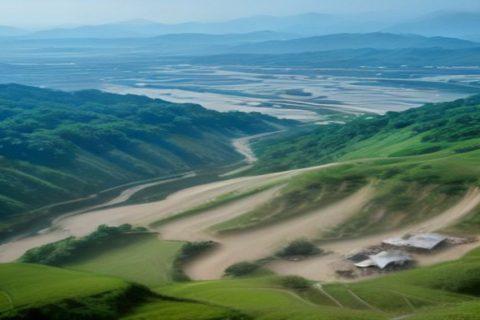
After reaching Ramchandrakura, the Panihata-Tarani Hills are a short walk from the main road. There’s no formal entrance gate or ticket office; the hills are part of the local landscape. You’ll likely need to ask locals for directions, as the area isn’t signposted. The hills themselves are low, forested ridges, and you can hike up for views of the surrounding tea estates and villages. There are no marked trails, so wear sturdy shoes and be prepared for uneven ground.
Seasonal Access and What to Bring
The best time to visit is during the dry season, from November to March. The weather is cool and dry, making the walk and climb easier. During the monsoon, from June to September, heavy rains can make the trails slippery and the roads waterlogged, so access becomes difficult. The area is also less pleasant in the hot, humid months of April and May.
There are no shops or restaurants at the hills, so bring water and snacks. You’ll also want to carry a mobile phone; the network coverage is generally good from operators like Grameenphone and Robi. Wear modest clothing that covers your shoulders and knees, as you may pass through villages and tea gardens. Insect repellent is wise, especially in the evening. If you plan to stay overnight, the nearest accommodation is in Sreemangal, which has several guesthouses and hotels. A few eco-lodges exist near tea gardens, but they’re often pricey.
Safety and Practical Tips
The area is generally safe, but as with any rural travel, be respectful of local customs. Ask permission before taking photos of people. The hills are not a protected area, so there are no entry permits. However, the land is privately owned in places, so stick to obvious paths and avoid trespassing on plantation land.
For your return, you can either walk back to the main road and catch a bus to Sreemangal, or pre-arrange a CNG to wait for you. Buses become less frequent after sunset, so plan to leave by late afternoon. If you’re taking the train back, check the schedule in advance, as intercity trains may have limited evening departures.
Before you go, confirm the latest transport schedules and prices with local operators. Train tickets can be checked online, and bus companies often have phone numbers you can call. The information here is accurate as of 2025, but things change, so it’s always wise to double-check.
| Transport Option | Route | Approximate Time | Approximate Cost (BDT) |
|---|---|---|---|
| Train (Parabat Express) | Dhaka to Sreemangal | 4-5 hours | 500-700 (AC), 300-400 (non-AC) |
| Bus (Shyamoli, Ena, Hanif) | Dhaka to Sreemangal | 5-6 hours | 400-600 |
| Local Bus | Sreemangal to Ramchandrakura | 30-40 minutes | 30-50 |
| CNG | Sreemangal to Ramchandrakura | 30-40 minutes | 300-400 |
Frequently Asked Questions
Is there an entry fee for Panihata-Tarani Hills?
No, there is no official entry fee. The hills are not a managed tourist site, so you can visit freely. However, be mindful that the land is private property in parts, so respect boundaries.
What is the best way to get to Ramchandrakura from Dhaka?
The most practical way is to take a train or bus to Sreemangal first. From Sreemangal, you can take a local bus or CNG to Ramchandrakura. The entire journey from Dhaka takes about 5 to 7 hours.
Are there any accommodations near Panihata-Tarani Hills?
There are no hotels or guesthouses in Ramchandrakura itself. The nearest accommodation options are in Sreemangal, which has a range of budget and mid-range hotels. Some tea garden bungalows may offer stays, but they are limited.
Can I visit Panihata-Tarani Hills during the monsoon?
It is possible, but not recommended. Heavy rains can make the trails slippery and the roads waterlogged, making access difficult. If you do visit, wear waterproof footwear and be prepared for leeches and muddy paths.
Is it safe to travel to this area as a solo female traveler?
Generally, yes. Bangladesh is a welcoming country, but rural areas may attract attention. Dress modestly, avoid traveling after dark, and inform your accommodation about your plans. It’s always safer to travel with a companion if possible.