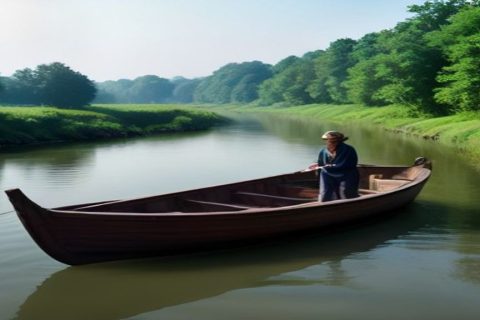


Shuvolong Waterfall sits on the Karnaphuli River, about 25 kilometres upstream from Rangamati town. Most visitors reach it by boat, and the trip takes roughly 45 minutes to an hour each way depending on the water level and boat speed. You can also drive part of the way, but the waterfall is only directly accessible from the river, so the boat is the practical option for most travellers.
To get to Rangamati, you can take a bus from Dhaka, Chittagong, or Comilla. From Dhaka, buses leave from Sayedabad and Fakirapool, and the journey takes around 6 to 7 hours. From Chittagong, the trip is shorter, about 2 to 3 hours. The roads are mostly in fair condition, but the last stretch into the hill district can be winding and slow during the rainy season. If you prefer the train, the nearest railhead is in Chittagong, and from there you would need to take a bus or hire a car to Rangamati.
Once you reach Rangamati town, you can hire a private boat from the jetty near the tourist complex or from the main ghat. Boats are usually available from early morning until late afternoon. The fare depends on the size of the boat and the number of passengers, but you can expect to pay around 1,500 to 3,000 takas for a round trip. If you want to share a boat with other travellers, you can wait at the jetty and split the cost. Make sure to negotiate the price before boarding and confirm whether the fare includes waiting time at the waterfall.
The waterfall itself is not a single drop but a series of cascades that tumble down a rocky hillside. The best time to visit is during the monsoon and early autumn, from June to September, when the water flow is strong. In the dry season, the falls can reduce to a trickle. There is a small shrine at the base of the falls, and some visitors take a dip in the pool, but the current can be strong after heavy rain, so be cautious.
You can also visit the nearby Shuvolong village, which is a short walk from the jetty. The village has a few small shops and a primary school. There are no formal restaurants, so it is wise to carry your own snacks and drinking water. The boat ride itself is scenic, with green hills and occasional fishing boats. Mobile network coverage in the area is patchy, so do not rely on your phone for navigation or communication.
For accommodation, Rangamati town has several hotels and guesthouses, ranging from budget to mid-range. The tourist complex offers cottages with a view of the lake, but they need to be booked in advance, especially during holidays. If you plan to stay overnight in Shuvolong, there are no proper hotels, so it is better to base yourself in Rangamati.
Returning to Rangamati is straightforward. Your boat driver will usually wait for you at the jetty near the waterfall. Agree on a pick-up time beforehand. If you miss your boat, you can try to find another returning boat, but it is not guaranteed, so it is safer to keep your original boat.
One important thing to remember: Rangamati is a hill district, and certain areas have restrictions for foreign tourists. You may need to obtain a permit from the Deputy Commissioner’s office in Rangamati if you are a foreign national. The permit is usually issued for specific areas, and it is best to check with your hotel or a local tour operator about the current rules. Always carry a photocopy of your passport and visa with you.
Getting to Shuvolong Waterfall by Road and Boat
If you prefer to drive, you can take a car or motorcycle from Rangamati town towards the village of Shuvolong. The road is narrow but paved, and it takes about 20 minutes. From the village, you can hire a small boat to cross the river to the waterfall. This option is useful if you want to avoid the long boat ride or if you have limited time. However, the boat from the village is small and may not be comfortable for large groups. The fare is around 200 to 500 takas per person for the short crossing.
Alternatively, you can combine both: take a boat from Rangamati to the waterfall, and then return by road. This way, you can see the river scenery and also experience the village. Just make sure to arrange the return transport in advance, as there are no taxis waiting at Shuvolong.
Best Time to Visit and What to Pack
The ideal time to visit Shuvolong Waterfall is from June to September, when the monsoon rains swell the river and the falls are at their most powerful. The weather is humid and wet, so pack a raincoat or an umbrella, quick-dry clothing, and waterproof bags for your electronics. In winter, from November to February, the weather is dry and cool, but the water flow is lower. If you visit then, you may see less water, but the surrounding hills are green and the air is crisp.
Wear comfortable shoes with good grip, as the rocks near the falls can be slippery. Carry insect repellent, as mosquitoes are common near the water. If you plan to swim, bring a change of clothes and a towel. There are no changing rooms, so be prepared to change in the open or use a sarong for privacy.
Do not forget to bring cash, as there are no ATMs in Shuvolong and only a few in Rangamati town. Also, carry a power bank, as electricity can be unreliable in the area. The local SIM cards usually work in Rangamati town, but coverage is weak in the hills.
Safety and Practical Tips
The boat ride is generally safe, but always wear a life jacket, especially if you are not a strong swimmer. The river can be rough after heavy rain, so check the weather forecast before you set out. If there is a storm warning, postpone your trip. The boat drivers are experienced, but they may not speak English, so it helps to learn a few Bengali phrases or bring a guide.
Respect local customs. The shrine at the waterfall is a place of worship, so dress modestly and remove your shoes before entering. Do not litter; carry your rubbish back with you. The villagers are friendly, but they appreciate respectful visitors.
If you are travelling during the peak season, which is from October to March, expect more tourists at the waterfall. To avoid crowds, go early in the morning, around 8 a.m. The water is also calmer in the morning, making for a more pleasant boat ride.
Finally, remember that the internet and mobile network can be unreliable, so download offline maps and save important contact numbers before you leave Rangamati town. If you are on a tight schedule, it is best to start your trip early to allow enough time for the round trip and any delays.
Key Takeaways
- Shuvolong Waterfall is accessible by boat from Rangamati town, about 45 minutes to an hour upstream.
- Foreign tourists may need a permit to visit Rangamati; check with local authorities before travelling.
- The best time to see the waterfall at its fullest is during the monsoon season, from June to September.
| Pros | Cons |
|---|---|
| Scenic boat ride through the Karnaphuli River | Waterfall can be weak in dry season |
| Less crowded than other tourist spots | Limited facilities and no restaurants |
| Combines nature with a glimpse of rural life | Permit required for foreign tourists |
| Affordable boat hire if shared | Mobile network is patchy |
Frequently Asked Questions
Do I need a permit to visit Shuvolong Waterfall?
Yes, if you are a foreign national, you need a permit to enter Rangamati district. You can obtain it from the Deputy Commissioner’s office in Rangamati town or from the relevant authorities in Dhaka or Chittagong. The permit is usually free and valid for a specified period. It is best to arrange it through your hotel or a local tour operator.
How much does the boat trip cost?
The cost of hiring a private boat from Rangamati to Shuvolong is typically between 1,500 and 3,000 takas for a round trip, depending on the boat size and your negotiation skills. If you share a boat with other travellers, the cost per person is lower. Always agree on the fare before starting the trip.
What is the best time of year to visit?
The best time to see Shuvolong Waterfall at its fullest is during the monsoon season, from June to September. The water flow is strong and the surrounding greenery is lush. However, the rainy season can make the boat ride rougher, so check the weather forecast. From November to February, the weather is dry and pleasant, but the waterfall may have less water.
Are there any restaurants or food stalls at Shuvolong?
There are no formal restaurants at Shuvolong. You may find small tea stalls or shops selling snacks in the village, but it is not guaranteed. It is advisable to carry your own food and drinking water. Avoid eating anything that might be unsafe, and always carry bottled water.
How long should I spend at the waterfall?
Most visitors spend about 30 minutes to an hour at the waterfall, taking photos and enjoying the scenery. If you plan to swim, you might stay longer. Remember to factor in the boat travel time, which is about 45 minutes each way. A half-day trip is usually sufficient.