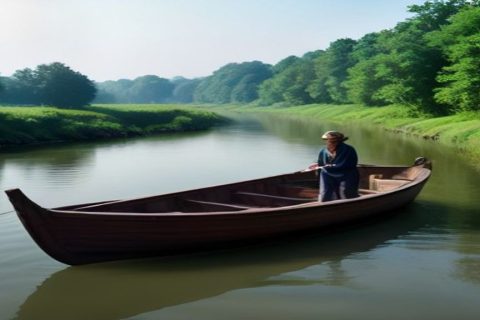


Rangamati, the heart of the Chittagong Hill Tracts, sits beside the vast Kaptai Lake. Getting there takes planning, but the journey is part of the experience. Most travellers start from Dhaka, and the most practical way is by bus to Chattogram, then a local bus or private car to Rangamati. The total journey takes around 8 to 10 hours, depending on traffic and road conditions. From Chattogram, the 77-kilometre road to Rangamati winds through hills and forests, and the last stretch hugs the lake, giving you your first glimpse of the water. If you prefer the train, the Dhaka-Chattogram route is reliable, but you still need to cover the road leg. Once in Rangamati, you’ll find the town centre compact, with most hotels and restaurants within walking distance. For nearby attractions like Hanging Bridge or Kaptai Lake, you can hire a CNG auto-rickshaw or a boat. The lake is the main transport artery for visiting remote villages, so expect to spend time on the water. Be aware that the Hill Tracts require a permit for foreign visitors, which you can arrange at the Deputy Commissioner’s office in Rangamati town. The permit process is straightforward, but it’s wise to start early. The best time to visit is from October to March, when the weather is dry and pleasant. During the monsoon, from June to September, roads can be slippery and boat services may be disrupted. Mobile network coverage is decent in town but can be patchy in the hills. Pack light, breathable clothing for the day and a light jacket for the evenings, as it can get cool near the lake. For safety, stick to well-known paths and always carry a copy of your permit.
Key Takeaways
- Rangamati is accessible by road from Chattogram; the nearest major airport is in Chattogram.
- A permit is required for foreign visitors to enter the Chittagong Hill Tracts, obtainable in Rangamati.
- The best travel period is October to March, avoiding the heavy monsoon rains.
Getting to Rangamati from Dhaka
Dhaka to Rangamati is a common route, but it’s not a direct one. You have two main options. The first is a direct bus from Dhaka to Rangamati, which some operators run, but these can take up to 10 hours and are not always comfortable. The second, and often more reliable, is to take a bus or train from Dhaka to Chattogram first. From Chattogram, buses leave frequently for Rangamati, and the trip takes about 2.5 to 3 hours. The road is winding but paved, and you’ll pass through lush green hills. If you’re coming from elsewhere, flying into Chattogram’s Shah Amanat International Airport is the fastest way to get close. From the airport, you can hire a private car or take a CNG to the bus stand. Remember to factor in time for the permit process if you’re a foreigner. The Deputy Commissioner’s office in Rangamati is open Sunday to Thursday, so plan your arrival accordingly.
Local Transport and Getting Around
Once you’re in Rangamati, getting around is fairly simple. The town itself is walkable, but for longer distances, you’ll rely on CNG auto-rickshaws. These are three-wheeled vehicles that can be hired for specific trips or by the hour. For exploring the lake, you’ll need to rent a boat. Many operators offer day trips to places like the Hanging Bridge, Shuvolong Waterfalls, and various tribal villages. Boats range from small wooden rowboats to larger motorised launches. Agree on a price before you set off, and be clear about the itinerary. If you want to visit the remote areas of the lake, consider hiring a boat for the whole day. The lake is calm, but it’s always wise to wear a life jacket, especially if you’re not a strong swimmer. For trips to the nearby hills, like the viewpoint at Tabalchhari, you’ll need a CNG or a jeep, as the roads are steep and rough. Always confirm the return trip with your driver, as mobile signals can be weak in the more remote spots.
Where to Stay and Eat in Rangamati
Accommodation in Rangamati ranges from basic guesthouses to comfortable hotels. Most are clustered near the lakefront, offering views of the water. The ‘Parjatan’ hotel, run by the national tourism board, is a popular choice for its location and facilities. For a more local experience, you can stay in a guesthouse run by the indigenous communities, which often include meals. Food in Rangamati is a mix of Bengali and tribal cuisine. You’ll find rice, fish, and vegetables, but also unique dishes like bamboo shoots and fermented foods. The lake provides fresh fish, so try the local catch. In town, there are simple eateries serving biryani, dal, and curries. For a special meal, some resorts offer traditional tribal feasts, but these need to be arranged in advance. Remember to drink bottled water, as tap water is not safe. Most hotels provide filtered water, but it’s always good to have your own supply.
Permits and Practicalities
Foreign visitors need a permit to enter the Chittagong Hill Tracts, which includes Rangamati. You can obtain this at the Deputy Commissioner’s office in Rangamati town, but it’s also possible to arrange it in Dhaka at the Ministry of Home Affairs. The permit is free, but you’ll need your passport and a couple of passport-sized photos. The process usually takes a few hours, so it’s best to arrive early in the day. Once you have the permit, you must carry it with you at all times, as checkpoints are common on the roads. The permit is valid for a specific period, so check the dates. For Bangladeshi nationals, no permit is required, but you should still carry a national ID. The area is generally safe, but it’s wise to stay informed about local conditions and avoid travelling alone at night. In terms of connectivity, mobile data works in the town, but don’t rely on it in the hills. ATMs are available in Rangamati, but they can run out of cash, so carry enough for your stay.
Seasonal Conditions and What to Pack
The best time to visit Rangamati is from October to March, when the weather is cool and dry. Temperatures range from 15°C to 25°C, making it perfect for outdoor activities. During this period, the lake is calm, and the skies are clear. From April to June, it gets hotter, with temperatures reaching 35°C or more. The monsoon, from June to September, brings heavy rain, which can cause landslides and disrupt transport. If you visit during the monsoon, be prepared for delays and always check the weather forecast. In terms of packing, light cotton clothes are ideal for the day, but a light jacket or sweater is essential for the evenings, especially on the lake. Comfortable walking shoes are a must, as you’ll be walking on uneven terrain. Don’t forget sunscreen, insect repellent, and a hat. If you plan to swim, bring your own towel, as not all places provide them. And always carry a small first-aid kit with basics like band-aids and antiseptic.
Returning from Rangamati
Leaving Rangamati is as straightforward as arriving. Buses to Chattogram run throughout the day, with the first departure around 6:00 AM and the last in the early evening. The journey takes about 2.5 to 3 hours, but it can be longer if there are checkpoints. From Chattogram, you can catch a train or bus back to Dhaka, or fly out from the airport. If you’re heading to other parts of the Hill Tracts, like Bandarban or Khagrachari, you’ll need to go back to Chattogram and then take a connecting bus. It’s a long journey, so plan your connections carefully. Always book your return transport in advance, especially during peak season, as seats fill up quickly. And remember to keep your permit handy until you leave the Hill Tracts area.
Frequently Asked Questions
Do I need a permit to visit Rangamati?
Yes, foreign visitors need a permit to enter the Chittagong Hill Tracts, which includes Rangamati. You can obtain it at the Deputy Commissioner’s office in Rangamati or in Dhaka. The permit is free, but you’ll need your passport and photos.
What is the best way to get to Rangamati from Dhaka?
The most common way is to take a bus or train from Dhaka to Chattogram, then a local bus or private car to Rangamati. The total journey takes around 8 to 10 hours. Some direct buses also operate, but they may be less comfortable.
What is the best time to visit Rangamati?
The best time is from October to March, when the weather is dry and pleasant. Avoid the monsoon season (June to September) as heavy rains can cause landslides and disrupt travel.
Are there ATMs in Rangamati?
Yes, there are a few ATMs in Rangamati town, but they can run out of cash. It’s advisable to carry enough cash for your stay, especially if you plan to visit remote areas.
Can I use my mobile phone in Rangamati?
Mobile network coverage is generally good in the town area, but it can be patchy in the hills and remote areas. Don’t rely on it for navigation or communication in isolated spots.