

Getting to Tindu, a remote village in Remakri Union under Thanchi Upazila of Bandarban, is not a casual trip. It sits close to the Myanmar border, deep in the hills, and the route demands time, patience, and a permit. If you are planning to go, here is what you actually need to know.
Key Takeaways
- Tindu is a remote village in Remakri Union, Bandarban, near the Myanmar border, requiring a permit and a long, adventurous journey.
- The most practical route is Dhaka to Bandarban by bus, then to Thanchi by local transport, followed by a boat ride on the Sangu River and a hike.
- Travel is only possible during the dry season (November to March); the area is inaccessible during monsoon and requires prior permission from local authorities.
Tindu sits about 15 kilometers south of Thanchi, across the Sangu River. There is no direct road. The last stretch is on foot or by small boat, depending on the water level. This is not a place you decide to visit on a whim.
Getting to Thanchi
Your journey starts in Dhaka. Buses leave from Sayedabad or Fakirapool for Bandarban, with several operators like Shyamoli, S. Alam, and Hanif. The ride takes around 8 to 9 hours, covering roughly 340 kilometers. Fares fluctuate between 500 and 1,200 taka depending on the bus class. Book a night bus if you can; you will arrive in Bandarban early morning and save a hotel night.
From Bandarban town, you need to reach Thanchi. Local buses and shared CNG run from Bandarban to Thanchi, a distance of about 75 kilometers. The road winds through hills and can be rough. The journey takes 3 to 4 hours. Buses leave when full, usually from early morning to afternoon. A seat costs around 150 to 200 taka. If you prefer more comfort, you can hire a jeep or pickup, but that will cost more.
Thanchi is the last administrative hub. It has a small bazaar, a few guesthouses, and a police outpost. This is where you need to register your visit and arrange the next leg.
Permits and Entry Rules
Tindu falls inside a restricted area near the Myanmar border. Bangladeshi citizens need a permit from the Deputy Commissioner’s office in Bandarban. Foreigners need permission from the Ministry of Home Affairs, which is much harder to get. The permit is usually issued for Thanchi and Remakri, and you must show it at checkpoints.
You can apply online through the Bandarban district website or in person. The process takes a few hours to a day. Bring photocopies of your ID or passport. The permit is free, but you may need to pay a small fee for the boat or guide. Local authorities sometimes require you to hire a guide from Thanchi. This is for your safety and to ensure you follow the rules.
Do not try to skip the permit. Checkpoints are common on the road to Thanchi and along the river. Without a permit, you will be turned back.
Boat Ride and the Final Trek
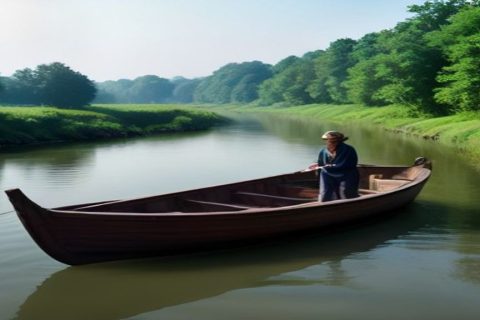
From Thanchi, the only practical way to Tindu is by boat on the Sangu River. Local wooden boats, called dingi, leave from the Thanchi ghat. The ride takes 2 to 3 hours, depending on the water level and how many stops the boat makes. The river is narrow and fast in places, with small rapids. The boatman will navigate carefully, but you will get wet. Wear quick-drying clothes and protect your electronics.
The boat will drop you at a small jetty near Remakri. From there, it is a 30-minute walk to Tindu. The path is a narrow trail through bamboo groves and small fields. It can be muddy even in the dry season. Locals often carry goods on their backs, and you may see them passing.
Tindu itself is a cluster of bamboo houses on stilts, home to the Mru community. There is no electricity, no mobile network, and no shops. You must bring all your food, water, and any supplies. Some families may offer a simple meal, but do not rely on it. A local guide can arrange a homestay, but expect basic conditions: a mat on the floor, a fire for cooking, and a stream for washing.
Seasonal Conditions and Safety
The dry season, from November to March, is the only safe time to visit. During the monsoon, the Sangu River swells, and the trail becomes impassable. Even in the dry season, check the weather forecast. A sudden storm can raise the river quickly. The boatman and guide will know if it is safe, but you should be ready to delay your return.
Safety is a real concern. The area is remote and near the border. There have been occasional security incidents in the past, so the government restricts access. Always follow the instructions of local authorities and your guide. Do not wander off on your own. Carry a basic first aid kit, as medical help is hours away.
For food, you will need to carry dry items like biscuits, noodles, and canned goods. Water from the stream should be boiled or treated. There is no electricity, so bring a power bank and a flashlight. Mobile network is patchy; the only signal may be on a hilltop near Remakri, and even that is unreliable.
Returning is the same route in reverse. The boat usually picks you up at a pre-arranged time. Confirm the schedule with your boatman before you leave Thanchi. If you miss the boat, you might have to wait a day or more for another one.
Where to Stay and What to Carry
In Thanchi, there are a few basic guesthouses. Rooms cost around 300 to 500 taka per night. They have simple beds and shared bathrooms. If you plan to reach Tindu in one day, start early from Thanchi. The last boat usually leaves around 2 PM, so plan to arrive in Thanchi by noon.
In Tindu, accommodation is a homestay or you can camp with permission. The villagers are welcoming but have little. Bring a sleeping bag or a blanket, as nights can be cool. Carry all your own food and water purification tablets. Also bring some small gifts like batteries or soap if you want to show gratitude, but this is optional.
What to pack: sturdy walking shoes, a rain jacket, a hat, sunscreen, insect repellent, a flashlight, a power bank, a first aid kit, and a water bottle. Do not bring valuables or flashy items. Money should be in small denominations, as there is no ATM in Thanchi.
Costs and Practical Tips
Here is a rough breakdown for one person, excluding food and accommodation:
| Item | Cost (BDT) |
|---|---|
| Bus Dhaka to Bandarban | 500–1,200 |
| Bus Bandarban to Thanchi | 150–200 |
| Permit fee | Free |
| Boat Thanchi to Remakri (per boat) | 1,000–1,500 |
| Guide fee (per day) | 500–1,000 |
You can split the boat and guide costs with other travelers. It is a good idea to join a small group to save money and for safety. There is no mobile network in Tindu, so inform someone of your plans before you leave Thanchi.
If you have never been to the Bandarban hills, start with easier destinations like Ruma or Boga Lake. Tindu is for experienced travelers who are comfortable with rough conditions. The journey is not easy, but the experience of reaching a place so far from the usual tourist trail is memorable.
Check with the Bandarban Deputy Commissioner’s office for the latest permit rules and road conditions. The situation can change quickly, especially near the border. Do not rely on outdated blog posts; confirm directly with authorities before you go.
Frequently Asked Questions
Do I need a permit to visit Tindu?
Yes. Tindu is in a restricted area near the Myanmar border. Bangladeshi citizens need a permit from the Deputy Commissioner’s office in Bandarban. Foreigners need permission from the Ministry of Home Affairs, which is rarely granted.
How long does it take to reach Tindu from Dhaka?
It takes at least two days. The first day is Dhaka to Bandarban by bus (8-9 hours), then Bandarban to Thanchi (3-4 hours). The next day, you take a boat from Thanchi to Remakri (2-3 hours) and then walk 30 minutes to Tindu.
Is it safe to travel to Tindu?
Safety is a concern due to the remoteness and border proximity. The government restricts access for this reason. Always travel with a local guide, follow the instructions of authorities, and avoid going during the monsoon season.
What is the best time to visit Tindu?
The dry season, from November to March, is the only safe time. The river is low and the trails are passable. Avoid the monsoon (June to October) when the Sangu River becomes dangerous and the area is often cut off.
Are there hotels or food available in Tindu?
No. There are no commercial accommodations or restaurants. You can stay in a local homestay or camp, but you must bring your own food, water, and supplies. Basic meals may be available if arranged in advance, but do not depend on it.