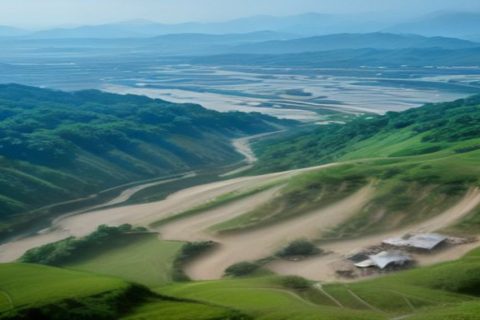


Rijuk Waterfall sits deep in the Bandarban hill tracts, where the Sangu River narrows between forested slopes. It is not an easy place to reach, and that is exactly why people go. The trip involves a long bus ride, a rough jeep track, and a boat journey upriver. You need time, patience, and a willingness to accept that plans can change.
Key Takeaways
- Rijuk Waterfall is in Thanchi upazila, Bandarban, and requires a combination of bus, jeep, and boat travel.
- The journey takes at least two days from Dhaka, with overnight stays in Bandarban town or Thanchi bazaar.
- You must obtain a visitor permit from the district administration before entering the hill tracts.
The Route from Dhaka to Bandarban
Most travellers start in Dhaka. From the capital, you take a bus to Bandarban town. Several companies operate overnight and daytime services from Kolabagan and Sayedabad bus terminals. The ride covers roughly 340 kilometres and takes seven to nine hours, depending on traffic and road conditions. Book a seat on an AC bus if you can; the non-AC ones get crowded and hot.
Buses drop you at Bandarban town, which sits about 60 kilometres south of Chittagong. From there, you need to reach Thanchi, the last administrative centre before the waterfall. Thanchi is about 50 kilometres east of Bandarban, but the road is narrow and winding. Local jeeps and shared micro-buses leave from the town’s main stand when they fill up. The journey takes two to three hours. The road is paved in parts, but after rain it can turn muddy and slow.
The Boat Ride on the Sangu River
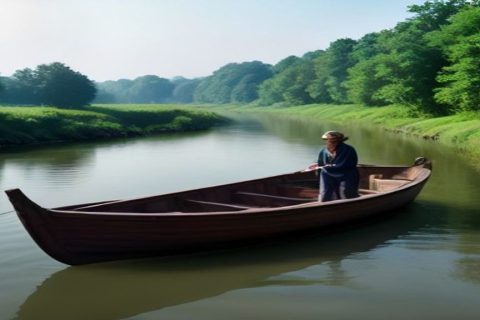
Thanchi bazaar sits on the bank of the Sangu River. This is where you arrange a boat to Rijuk. The waterfall is about 10 kilometres upstream, but the river is shallow and rocky in places. Local boatmen use narrow wooden boats with shallow drafts, often powered by a small engine. The ride takes one to two hours, depending on the water level. In the dry season, you may need to get out and walk over sandbars.
There is no fixed schedule for boats. You negotiate with the boatmen at the ghat, or landing point, in Thanchi. A round trip to Rijuk usually costs between 1,500 and 2,500 taka, but prices rise during holidays and when fuel is expensive. Confirm the price before you board, and make sure the boatman knows you want to wait at the waterfall and return the same day.
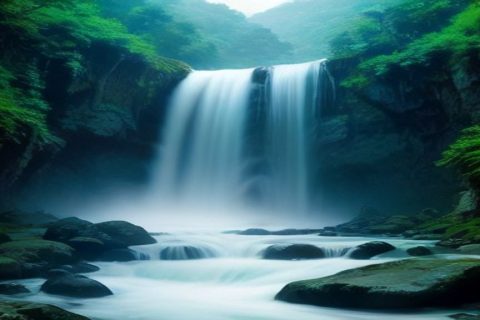
The boat drops you at a small jetty near the waterfall. From there, a short walk through the forest brings you to the base of the falls. The water drops about 20 metres into a deep pool, and the spray keeps the surrounding rocks slick. Swimming is possible, but be careful. The current near the base can be strong after rain.
Permits and Practicalities
Bandarban is a restricted area under the Chittagong Hill Tracts Regulation. Bangladeshi citizens do not need a permit, but foreign tourists must obtain one from the Deputy Commissioner’s office in Bandarban town. The office is open Sunday to Thursday, from 9 am to 5 pm. You need your passport, a visa with at least six months validity, and two passport-sized photos. The permit is free, but processing can take a few hours. Some travellers report that the office now issues permits on the spot, but it is safer to arrive early. Always check the latest rules with the district administration before you travel.
Accommodation is limited. In Bandarban town, you have several guesthouses and hotels near the bus stand. In Thanchi, options are basic. There is a government rest house and a few simple lodges. Book ahead if you can, especially during the November to March tourist season. The waterfall itself has no facilities, so carry your own food and water. Mobile network coverage is patchy, and you may lose signal entirely in the gorge. Let someone know your plans before you set off.
The best time to visit is from November to February, when the weather is dry and the river level is low. During the monsoon, from June to September, the trail and river become dangerous. Landslides are common in the hills, and the boat ride can be rough. The waterfall is most powerful during the rains, but reaching it is risky. If you are not an experienced traveller, stick to the dry season.
Return travel follows the same route in reverse. The boat ride back to Thanchi is easier because you are going downstream. From Thanchi, you need to find a jeep back to Bandarban. These leave early in the morning, so plan to spend the night in Thanchi or start your return before noon. Buses from Bandarban to Dhaka run throughout the day, but the last one usually leaves around 8 pm.
The trip to Rijuk is not for everyone. It involves long hours on rough roads and a boat ride that depends on the river. But if you are comfortable with basic conditions and want to see a waterfall that few tourists reach, it is worth the effort. Just give yourself enough time, and always confirm the latest transport and permit details before you go.
Frequently Asked Questions
Do I need a permit to visit Rijuk Waterfall?
Yes, if you are a foreign national, you need a visitor permit from the Deputy Commissioner’s office in Bandarban. Bangladeshi citizens do not need one, but it is a restricted area, so carry your ID.
How long does it take to reach Rijuk from Dhaka?
The journey takes at least two days. The bus from Dhaka to Bandarban takes 7-9 hours, then a jeep to Thanchi takes 2-3 hours, and the boat ride is 1-2 hours. Most people spend a night in Bandarban or Thanchi.
What is the best time to visit Rijuk Waterfall?
The dry season, from November to February, is the safest and most comfortable time. The river is low, the trails are dry, and the weather is mild. Avoid the monsoon months from June to September.
Are there any facilities at the waterfall?
No. There are no shops, toilets, or restaurants at Rijuk. Carry your own drinking water, food, and any first-aid supplies. The nearest place to buy essentials is Thanchi bazaar.
How much does the boat trip cost?
A round trip from Thanchi to Rijuk typically costs between 1,500 and 2,500 taka. The price depends on the number of passengers and the fuel cost. Negotiate before boarding and confirm the total fare.