

Jadipai Waterfall sits near Keokradong, one of Bangladesh’s highest peaks, in the remote southeastern corner of the country. Getting there is not straightforward, but the journey is part of the experience. This guide covers the practical routes, transport options, and what to expect on the ground.
Key Takeaways
- Jadipai Waterfall is near Keokradong in Bandarban, requiring a multi-stage journey from Dhaka or Chittagong.
- The most common route is Dhaka to Chittagong by train or bus, then to Bandarban town, and finally to Ruma Bazar by local transport.
- Trekking from Ruma Bazar to the waterfall takes about 6-8 hours, and you need a local guide and permission from the army.
Getting to Bandarban Town
Your journey starts in Dhaka or Chittagong. From Dhaka, you can take a direct bus to Bandarban. Several companies operate overnight services, and the trip takes around 8-10 hours. Alternatively, take a train from Dhaka to Chittagong (about 5-7 hours), then a bus from Chittagong to Bandarban (about 3 hours). From Chittagong, buses leave from the city’s main bus terminals, like the Badamtali or the city’s long-distance terminal. Buses run throughout the day, so you can plan your connection.
Bandarban town is the district headquarters and the last major settlement with full facilities. Here you’ll find hotels, restaurants, and shops. If you arrive late, it’s wise to stay overnight in Bandarban town before continuing to Ruma Bazar.
From Bandarban to Ruma Bazar
Ruma Bazar is the gateway to the Keokradong area. From Bandarban, you can take a local bus or a shared jeep to Ruma. The journey covers about 40 kilometers and takes roughly 2 to 3 hours, depending on road conditions. The road winds through hills and often is rough, especially after rain. Buses leave when full, so be prepared to wait. Jeeps are more comfortable but cost more.
At Ruma Bazar, you must register with the local authorities. Foreigners and Bangladeshi visitors need permission from the army camp. You’ll need your passport or national ID, and you may be asked to state your itinerary. It’s best to go with a licensed guide from a local tour operator or the Bangladesh Tourism Corporation. The guide will handle the paperwork and ensure you follow the rules.
The Trek to Jadipai Waterfall
From Ruma Bazar, the trek to Jadipai Waterfall begins. The trail climbs through forested hills, crossing streams and small villages. The distance is about 15 kilometers, and it takes most people 6 to 8 hours. You can break the journey at a campsite or village hut. Many trekkers spend a night near the waterfall or at the base of Keokradong before returning.
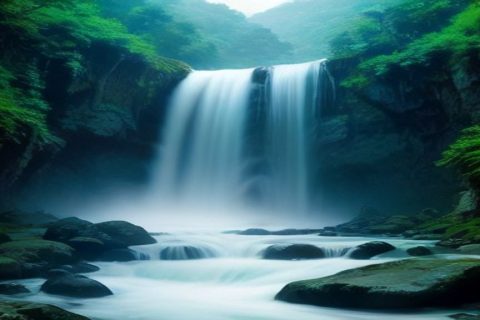
The waterfall itself is a two-tiered cascade, plunging into a clear pool. It’s most impressive during the rainy season (June to September), but the trail can be slippery then. In the dry season (November to February), the water flow is lower, but the trek is easier. Always check weather forecasts, as flash floods can occur in the hills.
Accommodation near the waterfall is basic. You’ll find simple shelters or you can pitch a tent. Food is limited, so carry your own supplies, including water purification tablets. Mobile network coverage is patchy, but you might get a signal at higher points. Wear sturdy trekking shoes, long pants, and bring insect repellent. Respect local customs and dress modestly, as you’ll pass through indigenous villages.
Returning is the same route. Plan for a full day to get back to Ruma Bazar, then onward to Bandarban and home. Confirm transport schedules before you leave, as they can be irregular.
For more on trekking in the Chittagong Hill Tracts, see our guides on Keokradong and other nearby trails.
Comparing Your Options
| Route | Pros | Cons |
|---|---|---|
| Direct bus Dhaka to Bandarban | No transfer in Chittagong | Long, bumpy ride |
| Train to Chittagong, then bus | More comfortable for the long leg | Need to switch stations |
| Private jeep from Bandarban to Ruma | Faster, flexible | More expensive |
Frequently Asked Questions
Do I need a permit to visit Jadipai Waterfall?
Yes. The area is in a restricted zone, and you must obtain permission from the army camp at Ruma Bazar. Your guide or tour operator can help arrange this. Bring your passport or national ID.
What is the best time to visit Jadipai Waterfall?
The rainy season (June to September) offers the most dramatic waterfall, but trails can be muddy and slippery. The dry season (November to February) provides clearer paths and easier trekking, though the water flow is less. Avoid the hottest months of April and May.
How fit do I need to be for the trek?
The trek involves steep climbs and uneven terrain. You should be comfortable walking for 6-8 hours with a backpack. If you’re not used to hill trekking, consider hiring a porter to carry gear.
Are there any safety concerns?
The area is generally safe, but you should always go with a local guide. Weather can change quickly, so check forecasts and avoid trekking during heavy rain. Also, be aware of leeches during the wet season; carry salt or a leech repellent.
Can I visit Jadipai and Keokradong in one trip?
Yes, many trekkers combine both. Jadipai is on the way to Keokradong, and you can camp near the waterfall then continue to the peak the next day. It’s a challenging but rewarding itinerary.