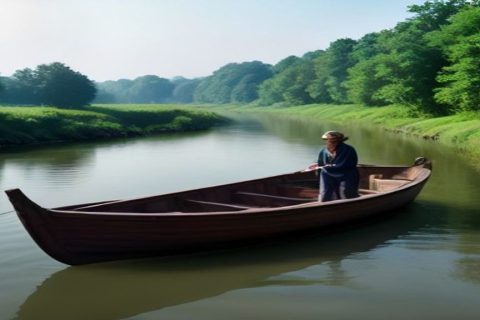


If you’re planning to visit Rowangchhari, the first thing you need to know is that it’s not a typical tourist stop. This small town sits in Bandarban district, about 45 kilometres from the district headquarters. It’s a place people pass through on the way to Ruma or Thanchi, but it has its own quiet appeal.
Getting there takes some effort. From Dhaka, you can take a direct bus to Bandarban. The ride takes around 8 to 9 hours, depending on traffic. Several companies like Hanif and Shyamoli run overnight services. Once you reach Bandarban, you’ll need to switch to a local bus or a shared jeep. These leave from the main bus stand near the town centre. The journey to Rowangchhari takes about 1.5 to 2 hours. The road is mostly paved but winding, and it climbs into the hills. You’ll pass through green valleys and small bazaars along the way.
If you prefer to fly, the nearest airport is in Cox’s Bazar. From there, you can take a bus or hire a car to Bandarban, which is roughly 90 kilometres away. That trip takes about 2.5 to 3 hours. Then you’d continue by local transport to Rowangchhari.
There are no direct trains to this area, so bus and road transport are your main options. The roads are generally passable year-round, but during the monsoon (June to September), landslides can occasionally disrupt the route. It’s wise to check the weather and road conditions before you set out.
What to See in Rowangchhari
Rowangchhari itself is a small administrative town. The main attraction is the scenic landscape. You’ll see rolling hills covered with bamboo and banana plantations, small streams, and tribal villages. The area is home to the Marma and Mro communities, and you might notice their distinct culture and dress.
One popular spot is the Rowangchhari Bazar, where you can buy local produce and handwoven textiles. There’s also a small Buddhist temple that reflects the local faith. If you’re interested in hiking, you can walk to nearby villages, but it’s best to go with a local guide. They know the trails and can help you communicate with residents.
Where to Stay and Eat
Accommodation options are limited. There are a few basic guesthouses near the bazar. They offer simple rooms with attached bathrooms, but don’t expect luxury. It’s a good idea to bring your own toiletries and a sleeping bag. For food, you’ll find small restaurants serving rice, fish, and vegetables. The local cuisine includes bamboo shoots and dry fish, which are worth trying.
If you need more comfort, you can stay in Bandarban town and make Rowangchhari a day trip. That gives you more choices for hotels and restaurants. But staying overnight in Rowangchhari lets you experience the calm of the hills after the day-trippers leave.
Practical Tips for Your Visit
Mobile network coverage is patchy. Grameenphone and Robi work in some areas, but don’t rely on it. Download offline maps before you go. Carry cash, as there are no ATMs in Rowangchhari. The nearest bank is in Bandarban.
Clothing should be modest, especially when visiting religious sites. Light cotton clothes work well in the warm months, but it can get chilly in the evenings from November to February. A light jacket or shawl helps.
Entry permits are not required for Bangladeshi citizens, but foreign visitors need to obtain a permit from the Deputy Commissioner’s office in Bandarban. The process is straightforward, but you’ll need your passport and a photo. It’s best to arrange this a day in advance.
Safety-wise, Rowangchhari is generally safe, but the roads can be narrow and steep. If you’re driving, be cautious. Also, respect local customs and ask before taking photos of people.
For more ideas on exploring the region, you might want to read about other hill stations in Bangladesh or plan a trip to Bandarban.
Key Takeaways
- Rowangchhari is a small town in Bandarban, about 45 km from the district headquarters, accessible by local bus or jeep.
- Accommodation is basic, with a few guesthouses; foreign visitors need a permit from the DC office in Bandarban.
- Mobile coverage is patchy, so carry cash and download offline maps.
| Pros | Cons |
|---|---|
| Scenic hills and tribal culture | Limited accommodation and amenities |
| Peaceful and off the tourist trail | Poor mobile connectivity |
| Close to other Bandarban attractions | Requires permit for foreigners |
Frequently Asked Questions
How do I get to Rowangchhari from Dhaka?
Take an overnight bus from Dhaka to Bandarban, which takes about 8-9 hours. From Bandarban, catch a local bus or shared jeep to Rowangchhari, a journey of 1.5-2 hours.
Do I need a permit to visit Rowangchhari?
Yes, foreign tourists need a permit from the Deputy Commissioner’s office in Bandarban. Bangladeshi citizens do not need one.
What is the best time to visit Rowangchhari?
The best time is from November to February when the weather is cool and dry. Avoid the monsoon season (June-September) due to potential landslides.
Are there ATMs in Rowangchhari?
No, there are no ATMs. Carry enough cash for your stay. The nearest ATM is in Bandarban town.